
Tetraploid Daylilies
"Tetraploid" sounds like a science word, and it is, but it's simple. A tetraploid daylily ("tet" for short) has four sets of chromosomes instead of the usual two. For gardeners, that often shows up as bigger, thicker flowers with heavy substance, richer color, sturdier scapes and more dramatic ruffles and edges.
Thicker petals hold up better in heat, sun and rain, so blooms tend to look good longer through the day. Many of today's showiest ruffled, gold-edged and eyed daylilies are tetraploids. That doesn't mean diploids (the two-set kind) are second best. Diploids include many of the most graceful spiders, doubles and old favorites, and you'll find plenty of them in our shop too.
Ploidy matters most if you want to try crossing daylilies yourself, since tets cross with tets and diploids cross with diploids. For everyone else, it's a handy clue to the bold, full look you're shopping for. Every plant page lists ploidy along with bloom season, height, fragrance and foliage type.
Getting them home: Every plant here is grown at our nursery in Vale, North Carolina. Pick yours up free in a full 3-gallon grow bag, or have it shipped bare-root, with the shipping cost shown in your cart. Daylilies grow across most of the country. Check the foliage type on each page if your winters are very cold or very mild.
Want first pick before the spring rush? Reserve yours on our Spring Pre-Order page. Pickup and shipping start the week of May 11, 2027.
FAQ
What's the difference between tetraploid and diploid?
Tetraploids have four sets of chromosomes and diploids have two. Tets often have thicker, larger blooms and sturdier stems. Diploids are often more delicate and graceful.
Are tetraploids harder to grow?
No. They need the same easy care as any daylily: sun, drainage and water during dry spells.
Can I cross a tetraploid with a diploid?
Generally, no. If you hybridize, cross tets with tets and diploids with diploids.
Tetraploid daylilies

Hillside Notes
Asheville Sunrise is a daylily with golden yellow with bold red eye and matching picotee over, making it a useful choice for gardeners comparing color, season, and garden effect. We list it with 31 in scapes, 5.5 in blooms, midseason, tetraploid, dormant so gardeners can compare it quickly with other varieties in the field. Notable traits include rebloom potential, 18 buds and 3 branches. This page is intended to make in-garden shopping easier by pairing the official details with our current price and availability.
Official AHS Description
Golden yellow with bold red eye and matching picotee over yellow to green throat.
Plant Details
Primary Color: Yellow
Hybridizer: Selman
Year: 2022
Scape Height: 31 in
Bloom Size: 5.5 in
Bloom Season: Midseason
Ploidy: Tetraploid
Foliage Type: Dormant
Fragrance: Non-Fragrant
Bloom Habit: Diurnal
Rebloom: Yes
Bud Count: 18
Branches: 3
Parentage: ((Lip Smack x Last Fool Standing) x (Last Fool Standing x Lip Smack))
Field Group: AA
Flag Color: ORANGE
Availability & Field Location
Price: $25
Inventory: 5
Availability: Available
Field Group: AA
Flag Color: ORANGE

Hillside Notes
Carnival in Caracas is a daylily with orange with red chevron eye above yellow green throat, making it a useful choice for gardeners comparing color, season, and garden effect. We list it with 30 in scapes, 7 in blooms, midseason, tetraploid, dormant so gardeners can compare it quickly with other varieties in the field. Notable traits include 16 buds and 2 branches. It is a good candidate for shoppers who want a named cultivar with clear details and current Hillside Lilies availability.
Official AHS Description
orange with red chevron eye above yellow green throat
Plant Details
Primary Color: Orange
Hybridizer: Santa Lucia
Year: 2007
Scape Height: 30 in
Bloom Size: 7 in
Bloom Season: Midseason
Ploidy: Tetraploid
Foliage Type: Dormant
Fragrance: Non-Fragrant
Bloom Habit: Diurnal
Rebloom: No
Bud Count: 16
Branches: 2
Parentage: (sdlg x sdlg)
Field Group: AA
Flag Color: ORANGE
Availability & Field Location
Price: $25
Inventory: 16
Availability: Available
Field Group: AA
Flag Color: ORANGE

Hillside Notes
Midnight Oasis is a daylily with rose purple with large blue lavender purple eye above yellow, making it a useful choice for gardeners comparing color, season, and garden effect. We list it with 30 in scapes, 7 in blooms, midseason, tetraploid, dormant so gardeners can compare it quickly with other varieties in the field. Notable traits include rebloom potential, 20 buds and 1 branches. For best results, review the bloom size, season, and field location alongside the photo before adding it to your list.
Official AHS Description
rose purple with large blue lavender purple eye above yellow green throat
Plant Details
Primary Color: Purple
Hybridizer: Sellers
Year: 2000
Scape Height: 30 in
Bloom Size: 7 in
Bloom Season: Midseason
Ploidy: Tetraploid
Foliage Type: Dormant
Fragrance: Non-Fragrant
Bloom Habit: Diurnal
Rebloom: Yes
Bud Count: 20
Branches: 1
Parentage: (sdlg x Tet. Morning Mood)
Field Group: AA
Flag Color: ORANGE
Availability & Field Location
Price: $10
Inventory: 16
Availability: Available
Field Group: AA
Flag Color: ORANGE

Hillside Notes
Heal Thy Spirit is a daylily with antique light rose with rose burgundy eye and chartreuse throat, making it a useful choice for gardeners comparing color, season, and garden effect. We list it with 25 in scapes, 6 in blooms, early-to-midseason, tetraploid, dormant so gardeners can compare it quickly with other varieties in the field. Notable traits include rebloom potential. Compare it with nearby field selections or related cultivars if you are building a color-focused or season-spanning collection.
Official AHS Description
antique light rose with rose burgundy eye and chartreuse throat
Plant Details
Primary Color: Pink
Hybridizer: Olson-E.
Year: 1998
Scape Height: 25 in
Bloom Size: 6 in
Bloom Season: Early-Midseason
Ploidy: Tetraploid
Foliage Type: Dormant
Fragrance: Non-Fragrant
Bloom Habit: Diurnal
Rebloom: Yes
Seedling Number: 37328
Parentage: (sdlg × sdlg)
Field Group: AA
Flag Color: ORANGE
Availability & Field Location
Price: $20
Inventory: 20
Availability: Available
Field Group: AA
Flag Color: ORANGE

Hillside Notes
Bombay Gold is a daylily with bright orange with a red orange eyezone above an olive, making it a useful choice for gardeners comparing color, season, and garden effect. We list it with 28 in scapes, 7 in blooms, midseason, tetraploid, evergreen so gardeners can compare it quickly with other varieties in the field. Notable traits include 16 buds and 2 branches. This page is intended to make in-garden shopping easier by pairing the official details with our current price and availability.
Official AHS Description
bright orange with a red orange eyezone above an olive green throat
Plant Details
Primary Color: Orange
Hybridizer: Santa Lucia
Year: 2010
Scape Height: 28 in
Bloom Size: 7 in
Bloom Season: Midseason
Ploidy: Tetraploid
Foliage Type: Evergreen
Fragrance: Non-Fragrant
Bloom Habit: Diurnal
Rebloom: No
Bud Count: 16
Branches: 2
Parentage: (sdlg x sdlg)
Field Group: AA
Flag Color: ORANGE
Availability & Field Location
Price: $20
Inventory: 16
Availability: Available
Field Group: AA
Flag Color: ORANGE

Hillside Notes
Hopi Jewel is a daylily with bright rose with darker band above yellow to green throat, making it a useful choice for gardeners comparing color, season, and garden effect. We list it with 30 in scapes, 6 in blooms, midseason, tetraploid, semi-evergreen so gardeners can compare it quickly with other varieties in the field. Notable traits include fragrant bloom, rebloom potential, 18 buds and 3 branches. For best results, review the bloom size, season, and field location alongside the photo before adding it to your list.
Official AHS Description
bright rose with darker band above yellow to green throat
Plant Details
Primary Color: Pink
Hybridizer: Selman
Year: 2007
Scape Height: 30 in
Bloom Size: 6 in
Bloom Season: Midseason
Ploidy: Tetraploid
Foliage Type: Semi-Evergreen
Fragrance: Fragrant
Bloom Habit: Diurnal
Rebloom: Yes
Seedling Number: 02-283A
Bud Count: 18
Branches: 3
Parentage: (sdlg x Rose Masterpiece)
Field Group: AA
Flag Color: ORANGE
Availability & Field Location
Price: $15
Inventory: 10
Availability: Available
Field Group: AA
Flag Color: ORANGE
Hillside Notes
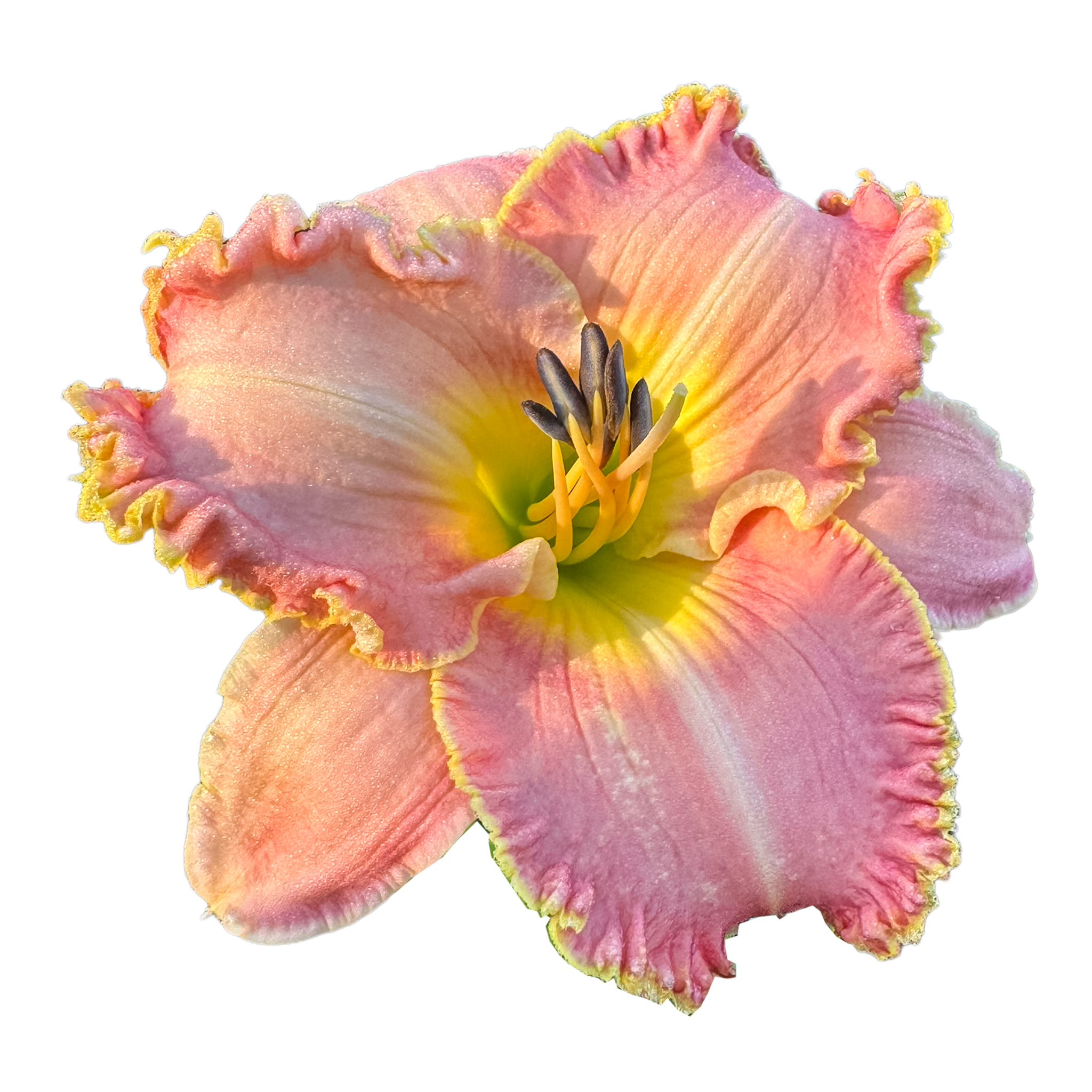
Honky Tonk Barbie is a daylily with pink with darker halo and yellow gold edge over yellow, making it a useful choice for gardeners comparing color, season, and garden effect. We list it with 30 in scapes, 6 in blooms, midseason, tetraploid, dormant so gardeners can compare it quickly with other varieties in the field. Notable traits include fragrant bloom, 18 buds and 4 branches. Compare it with nearby field selections or related cultivars if you are building a color-focused or season-spanning collection.
Official AHS Description
pink with darker halo and yellow gold edge over yellow to green throat
Plant Details
Primary Color: Pink
Hybridizer: Selman
Year: 2015
Scape Height: 30 in
Bloom Size: 6 in
Bloom Season: Midseason
Ploidy: Tetraploid
Foliage Type: Dormant
Fragrance: Fragrant
Bloom Habit: Diurnal
Rebloom: No
Seedling Number: 06-601HTB
Bud Count: 18
Branches: 4
Parentage: ((Splendid Touch x sdlg) x Shores of Time)
Field Group: AA
Flag Color: ORANGE
Availability & Field Location
Price: $20
Inventory: 13
Availability: Available
Field Group: AA
Flag Color: ORANGE

Hillside Notes
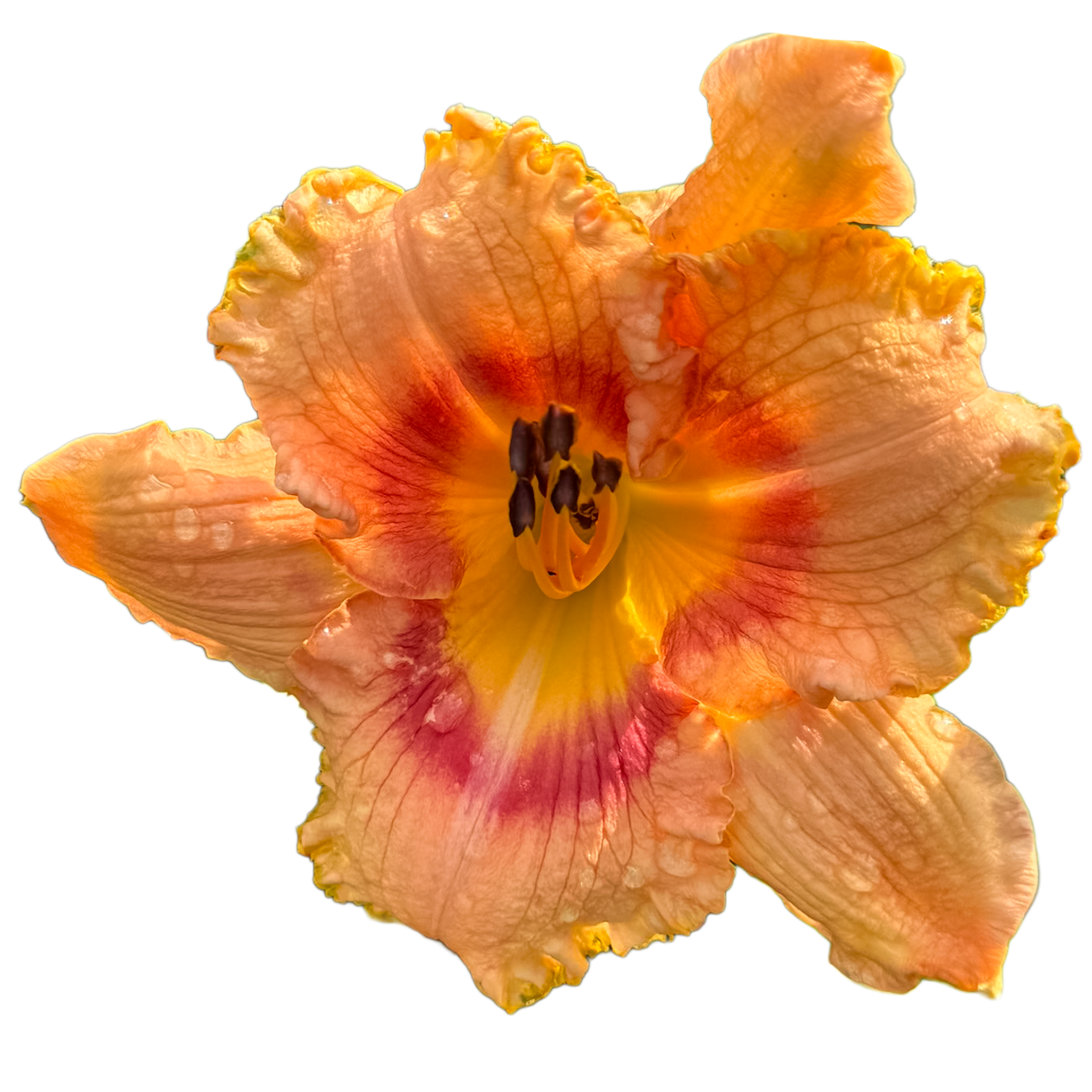
Strutter's Ball is a daylily with black purple with very small silvery white watermark and silky, making it a useful choice for gardeners comparing color, season, and garden effect. We list it with 28 in scapes, 6 in blooms, midseason, tetraploid, dormant so gardeners can compare it quickly with other varieties in the field. Use the photo, price, and AHS details on this page to compare it with similar cultivars before visiting or ordering. This page is intended to make in-garden shopping easier by pairing the official details with our current price and availability.
Official AHS Description
black purple with very small silvery white watermark and silky halo above small lemon green throat
Plant Details
Primary Color: Purple
Hybridizer: Moldovan
Year: 1984
Scape Height: 28 in
Bloom Size: 6 in
Bloom Season: Midseason
Ploidy: Tetraploid
Foliage Type: Dormant
Fragrance: Non-Fragrant
Bloom Habit: Extended
Rebloom: No
Seedling Number: 84-44
Parentage: (Houdini × Damascan Velvet)
Field Group: AA
Flag Color: ORANGE
Availability & Field Location
Price: $15
Inventory: 14
Availability: Available
Field Group: AA
Flag Color: ORANGE
Hillside Notes
Elegant Candy is a daylily with pink with red eyezone and green throat, making it a useful choice for gardeners comparing color, season, and garden effect. We list it with 25 in scapes, 4.25 in blooms, early-to-midseason, tetraploid, dormant so gardeners can compare it quickly with other varieties in the field. Notable traits include very fragrant bloom, rebloom potential. It is a good candidate for shoppers who want a named cultivar with clear details and current Hillside Lilies availability.
Official AHS Description
pink with red eyezone and green throat
Plant Details
Primary Color: Pink
Hybridizer: Stamile
Year: 1995
Scape Height: 25 in
Bloom Size: 4.25 in
Bloom Season: Early-Midseason
Ploidy: Tetraploid
Foliage Type: Dormant
Fragrance: Very Fragrant
Bloom Habit: Diurnal
Rebloom: Yes
Parentage: (Lady of Fortune x Tet. Janice Brown)
Field Group: Z
Flag Color: ORANGE
Availability & Field Location
Price: $20
Inventory: 7
Availability: Available
Field Group: Z
Flag Color: ORANGE

Hillside Notes
Blackberry Candy is a daylily with gold with black eyezone, making it a useful choice for gardeners comparing color, season, and garden effect. We list it with 25 in scapes, 4 in blooms, late season, tetraploid, dormant so gardeners can compare it quickly with other varieties in the field. Notable traits include fragrant bloom, rebloom potential. For best results, review the bloom size, season, and field location alongside the photo before adding it to your list.
Official AHS Description
gold with black eyezone
Plant Details
Primary Color: Yellow
Hybridizer: Stamile
Year: 1989
Scape Height: 25 in
Bloom Size: 4 in
Bloom Season: Late
Ploidy: Tetraploid
Foliage Type: Dormant
Fragrance: Fragrant
Bloom Habit: Extended
Rebloom: Yes
Parentage: (Raging Tiger x Tet. Siloam Virginia Henson)
Field Group: Z
Flag Color: ORANGE
Availability & Field Location
Price: $15
Inventory: 14
Availability: Available
Field Group: Z
Flag Color: ORANGE

Hillside Notes
Swirling Spider is a spider-form daylily with red spider with green throat, giving it strong presence in a mixed daylily planting. We list it with 34 in scapes, 10 in blooms, early-to-midseason, tetraploid, semi-evergreen so gardeners can compare it quickly with other varieties in the field. Use the photo, price, and AHS details on this page to compare it with similar cultivars before visiting or ordering. For best results, review the bloom size, season, and field location alongside the photo before adding it to your list.
Official AHS Description
red spider with green throat
Plant Details
Primary Color: Red
Hybridizer: Hite
Year: 1990
Scape Height: 34 in
Bloom Size: 10 in
Bloom Season: Early-Midseason
Form: Unusual Form Crispate-Cascade
Ploidy: Tetraploid
Foliage Type: Semi-Evergreen
Fragrance: Non-Fragrant
Rebloom: No
Parentage: (Twist of Lemon x Samar Star Fire)
Field Group: Z
Flag Color: ORANGE
Availability & Field Location
Price: $18
Inventory: 30
Availability: Available
Field Group: Z
Flag Color: ORANGE
Hillside Notes
Huckleberry Candy is a daylily with cream with blue eye and green throat, making it a useful choice for gardeners comparing color, season, and garden effect. We list it with 20 in scapes, 4.25 in blooms, early-to-midseason, tetraploid, dormant so gardeners can compare it quickly with other varieties in the field. Notable traits include fragrant bloom, rebloom potential, 20 buds and 3 branches. This page is intended to make in-garden shopping easier by pairing the official details with our current price and availability.
Official AHS Description
cream with blue eye and green throat
Plant Details
Primary Color: Purple
Hybridizer: Stamile
Year: 1998
Scape Height: 20 in
Bloom Size: 4.25 in
Bloom Season: Early-Midseason
Ploidy: Tetraploid
Foliage Type: Dormant
Fragrance: Fragrant
Bloom Habit: Diurnal
Rebloom: Yes
Seedling Number: 5310-C
Bud Count: 20
Branches: 3
Parentage: (Exotic Candy x Magnificent Rainbow)
Field Group: DD
Flag Color: BLUE-B
Availability & Field Location
Price: $15
Inventory: 11
Availability: Available
Field Group: DD
Flag Color: BLUE-B