
Spider & Unusual Form Daylilies
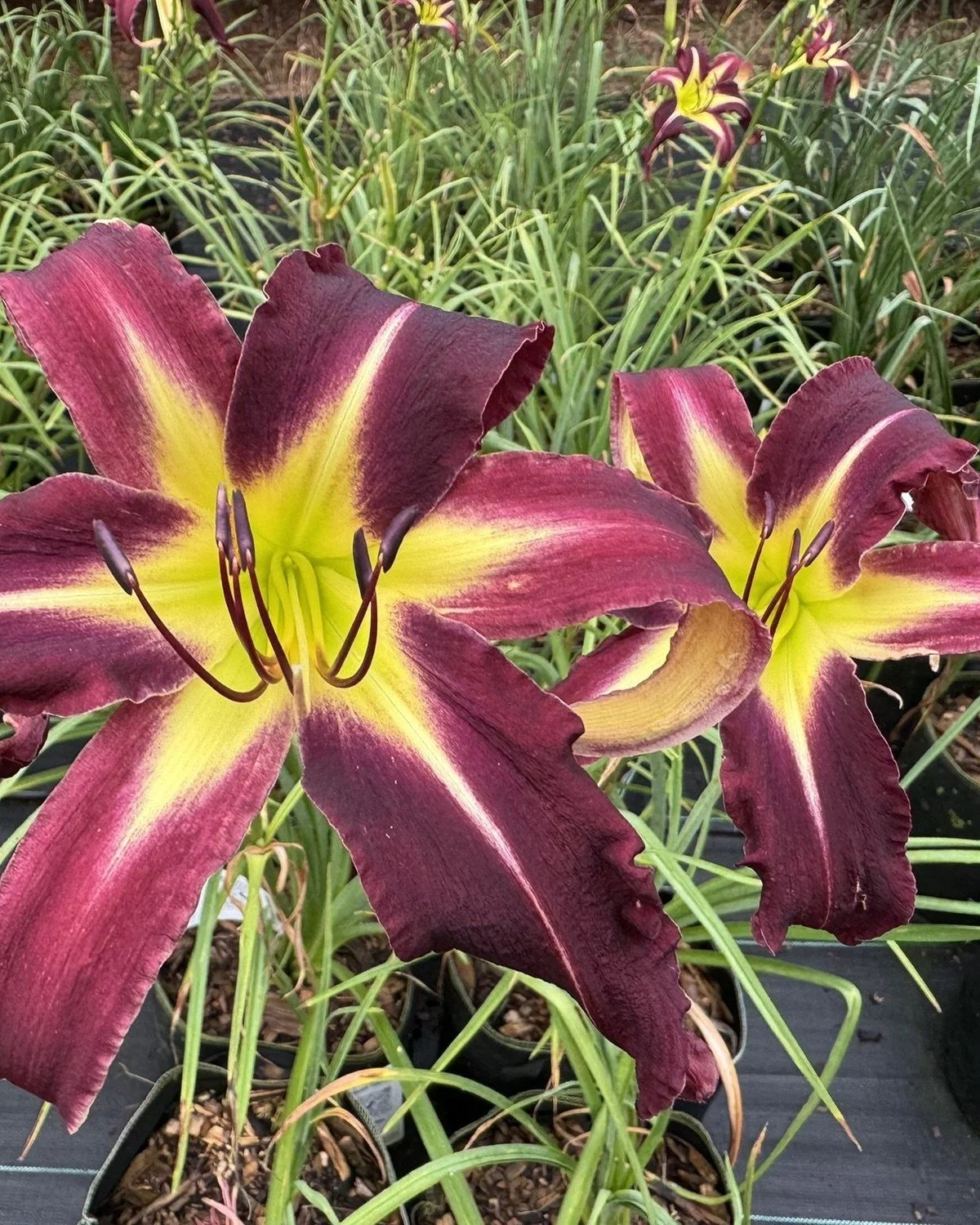
If you like a garden with a little personality, these are your daylilies. Spiders have long, narrow petals that make the bloom look airy and leggy. To officially count as a spider, a petal has to be at least four times as long as it is wide. Unusual forms ("UFs") have petals that pinch, twist, curl, cascade or flare out like spoons. You'll see them labeled crispate, cascade and spatulate.
These big, open flowers read well from across the yard and bring movement to a bed full of round blooms. Pollinators like them, they make great conversation starters, and they mix nicely with grasses and cottage-garden plants. Many spiders are diploids with a graceful, relaxed look, while some UFs are bold tetraploids.
Our collection runs from red and purple spiders to pinched and twisted pinks and oranges, including several rebloomers and fragrant ones. Each plant page lists the form and, for spiders, the petal ratio, plus bloom season, height and foliage type.
Getting them home: Every plant here is grown at our nursery in Vale, North Carolina. Pick yours up free in a full 3-gallon grow bag, or have it shipped bare-root, with the shipping cost shown in your cart. Daylilies grow across most of the country. Check the foliage type on each page if you're in a very cold or very warm climate.
Want first pick before the spring rush? Reserve yours on our Spring Pre-Order page. Pickup and shipping start the week of May 11, 2027.
FAQ
What makes a daylily a spider?
Its petals are at least four times as long as they are wide. We list the petal ratio (like 4.8:1) on each spider's page.
What does "unusual form" mean?
The petals have a distinctive shape: pinched or twisted (crispate), curling and drooping (cascade), or wide at the tip like a spoon (spatulate).
Are spiders harder to grow?
Not at all. They grow just like other daylilies and look best with plenty of sun.
Spider daylilies
Hillside Notes
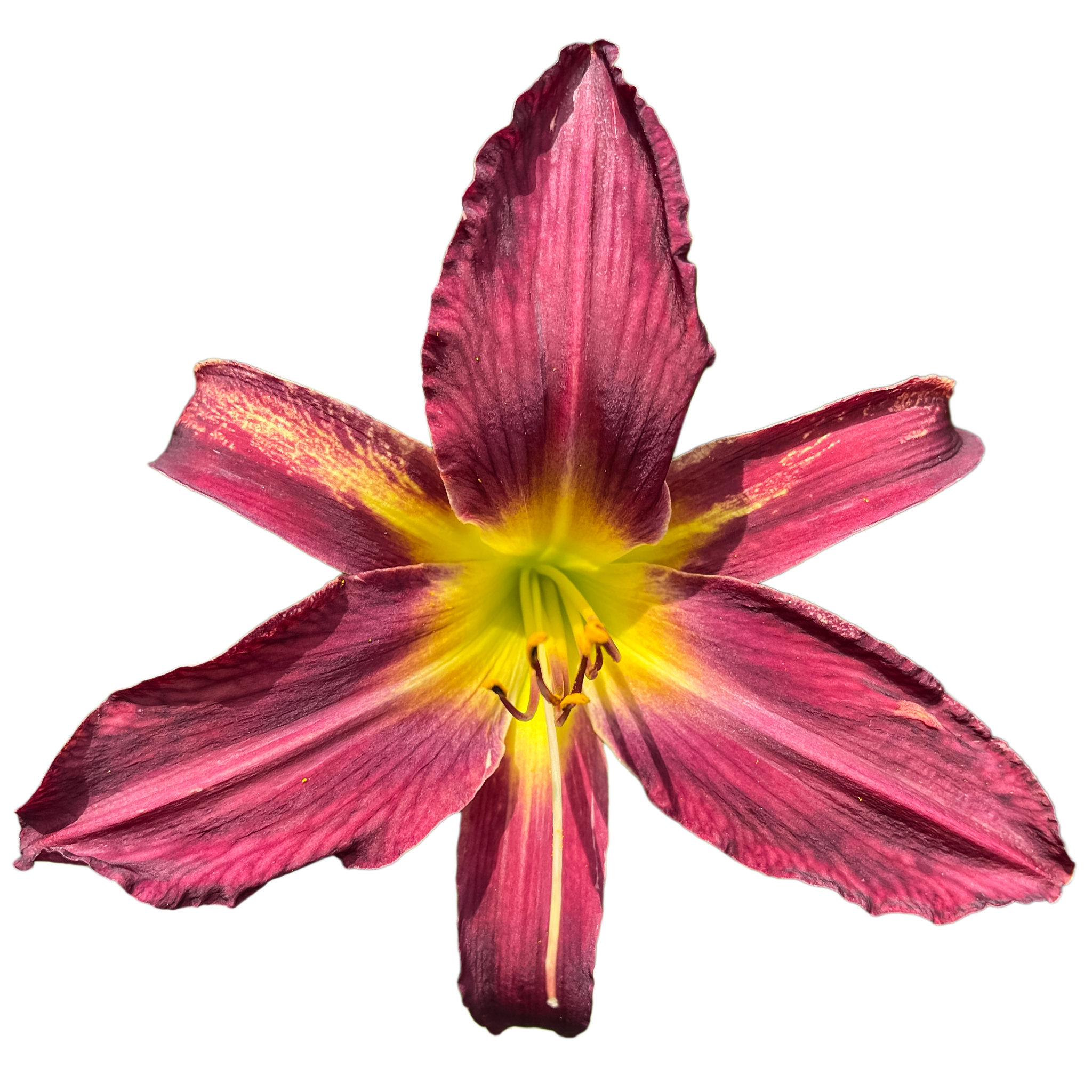
Frankie's Fantasy is a spider-form daylily with dark purple self with green throat, giving it strong presence in a mixed daylily planting. We list it with 32 in scapes, 7 in blooms, early-to-midseason, tetraploid, dormant so gardeners can compare it quickly with other varieties in the field. Notable traits include rebloom potential. This page is intended to make in-garden shopping easier by pairing the official details with our current price and availability.
Official AHS Description
dark purple self with green throat
Plant Details
Primary Color: Purple
Hybridizer: Mercer-R.
Year: 1992
Scape Height: 32 in
Bloom Size: 7 in
Bloom Season: Early-Midseason
Form: Spider 4.50:1
Ploidy: Tetraploid
Foliage Type: Dormant
Fragrance: Non-Fragrant
Bloom Habit: Diurnal
Rebloom: Yes
Parentage: ((Chicago Blackout x sdlg) x Russian Rhapsody)
Field Group: Y
Flag Color: ORANGE
Availability & Field Location
Price: $27
Inventory: 5
Availability: Available
Field Group: Y
Flag Color: ORANGE
Hillside Notes
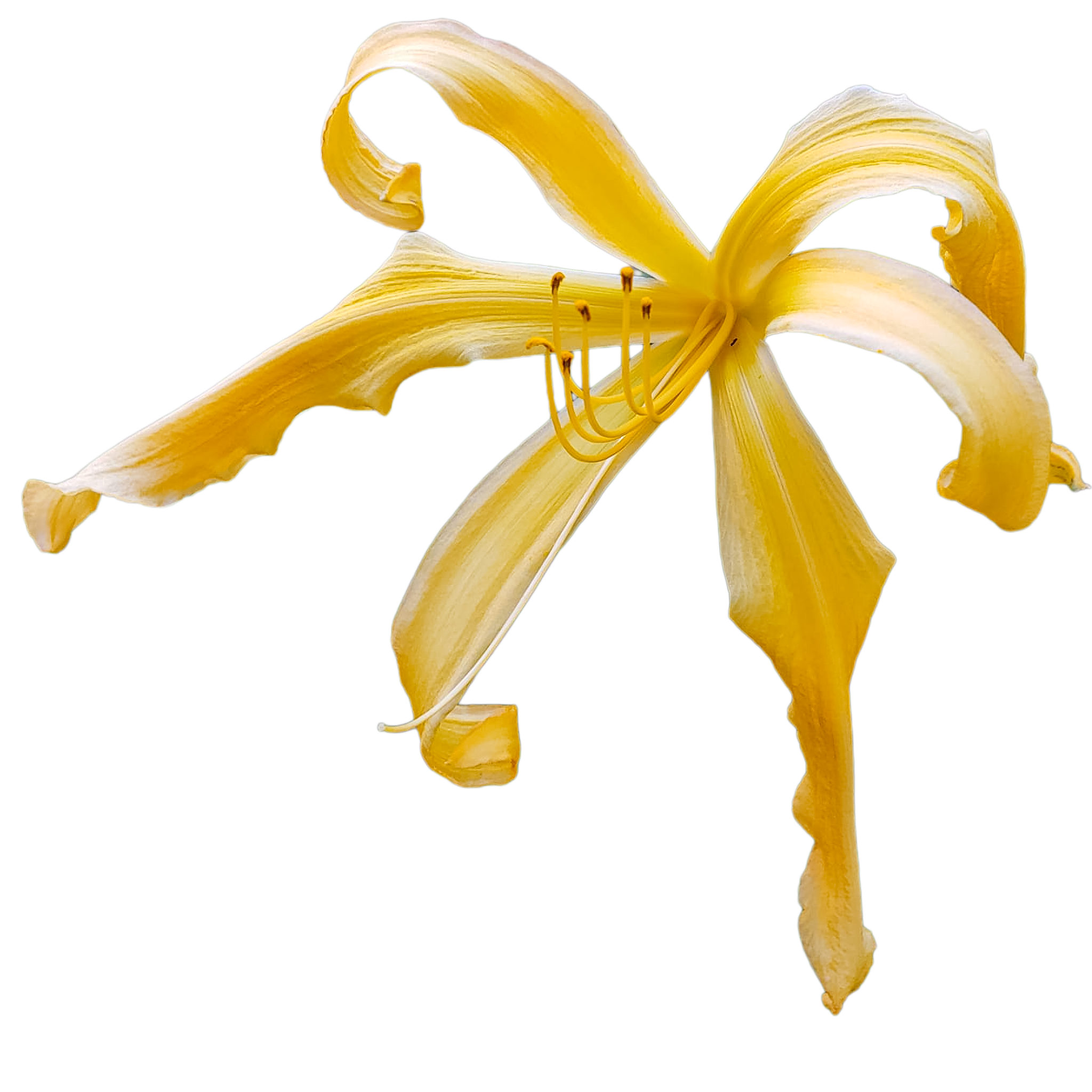
Waltz with the Wind is a spider-form daylily with banana yellow self above green throat, giving it strong presence in a mixed daylily planting. We list it with 36 in scapes, 9 in blooms, early-to-midseason, diploid, evergreen so gardeners can compare it quickly with other varieties in the field. Notable traits include rebloom potential, 36 buds and 5 branches. Compare it with nearby field selections or related cultivars if you are building a color-focused or season-spanning collection.
Official AHS Description
banana yellow self above green throat
Plant Details
Primary Color: Yellow
Hybridizer: Joiner-J.
Year: 2003
Scape Height: 36 in
Bloom Size: 9 in
Bloom Season: Early-Midseason
Form: Spider 4.00:1
Ploidy: Diploid
Foliage Type: Evergreen
Fragrance: Non-Fragrant
Bloom Habit: Diurnal
Rebloom: Yes
Bud Count: 36
Branches: 5
Parentage: (Let it Rip x Savannah Banana Split)
Field Group: U
Flag Color: YELLOW
Availability & Field Location
Price: $18
Inventory: 18
Availability: Available
Field Group: U
Flag Color: YELLOW
Hillside Notes
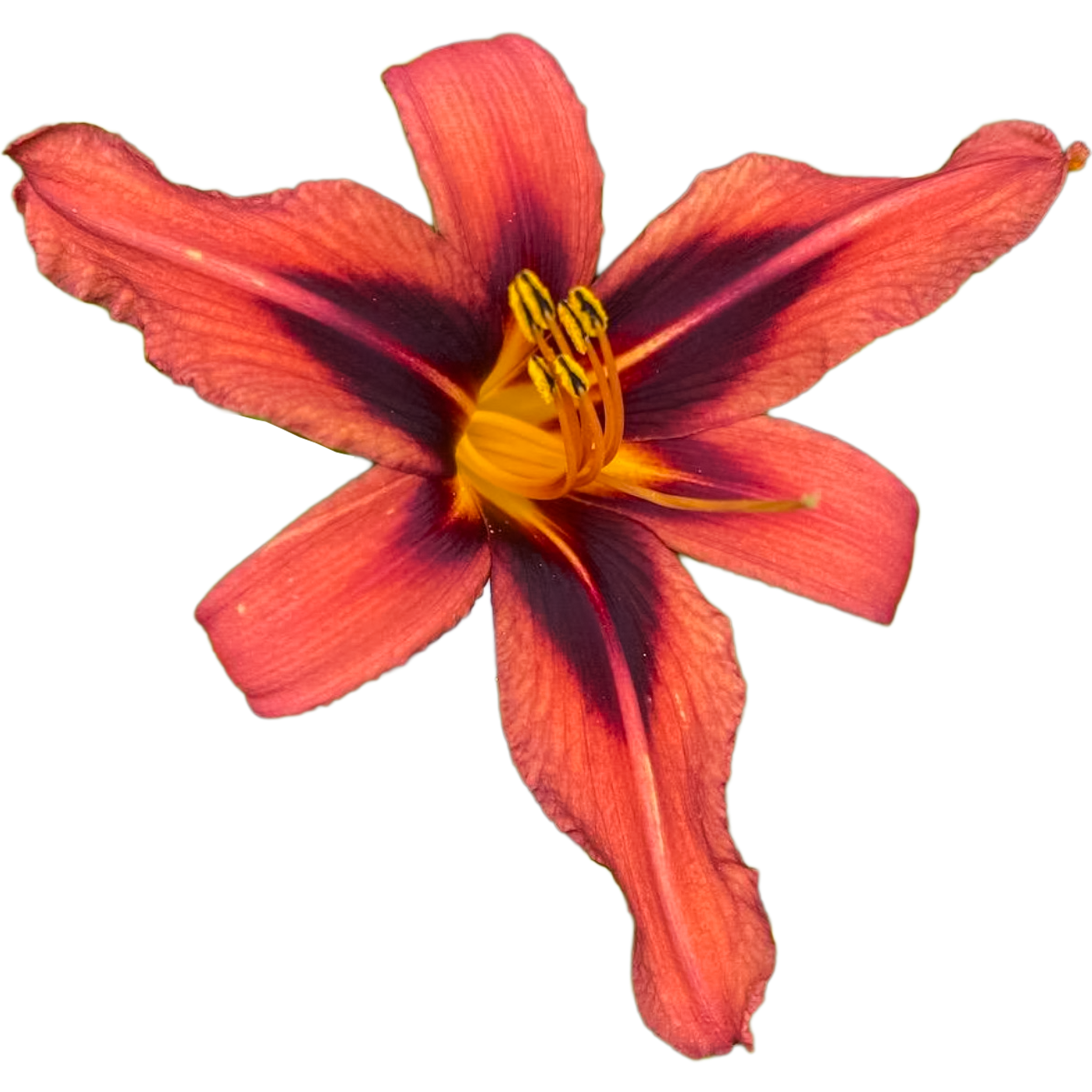
Galaxy Explosion is a spider-form daylily with coppery salmon blend with deep black purple eye above gold, giving it strong presence in a mixed daylily planting. We list it with 40 in scapes, 4.5 in blooms, midseason, diploid, dormant so gardeners can compare it quickly with other varieties in the field. Notable traits include rebloom potential, 18 buds and 3 branches. This page is intended to make in-garden shopping easier by pairing the official details with our current price and availability.
Official AHS Description
coppery salmon blend with deep black purple eye above gold throat
Plant Details
Primary Color: Red
Hybridizer: Burris
Year: 2003
Scape Height: 40 in
Bloom Size: 4.5 in
Bloom Season: Midseason
Form: Spider 4.00:1
Ploidy: Diploid
Foliage Type: Dormant
Fragrance: Non-Fragrant
Bloom Habit: Diurnal
Rebloom: Yes
Seedling Number: BG039
Bud Count: 18
Branches: 3
Parentage: (sdlg × sdlg)
Field Group: Q
Flag Color: PURPLE
Availability & Field Location
Price: $25
Inventory: 5
Availability: Available
Field Group: Q
Flag Color: PURPLE
Hillside Notes
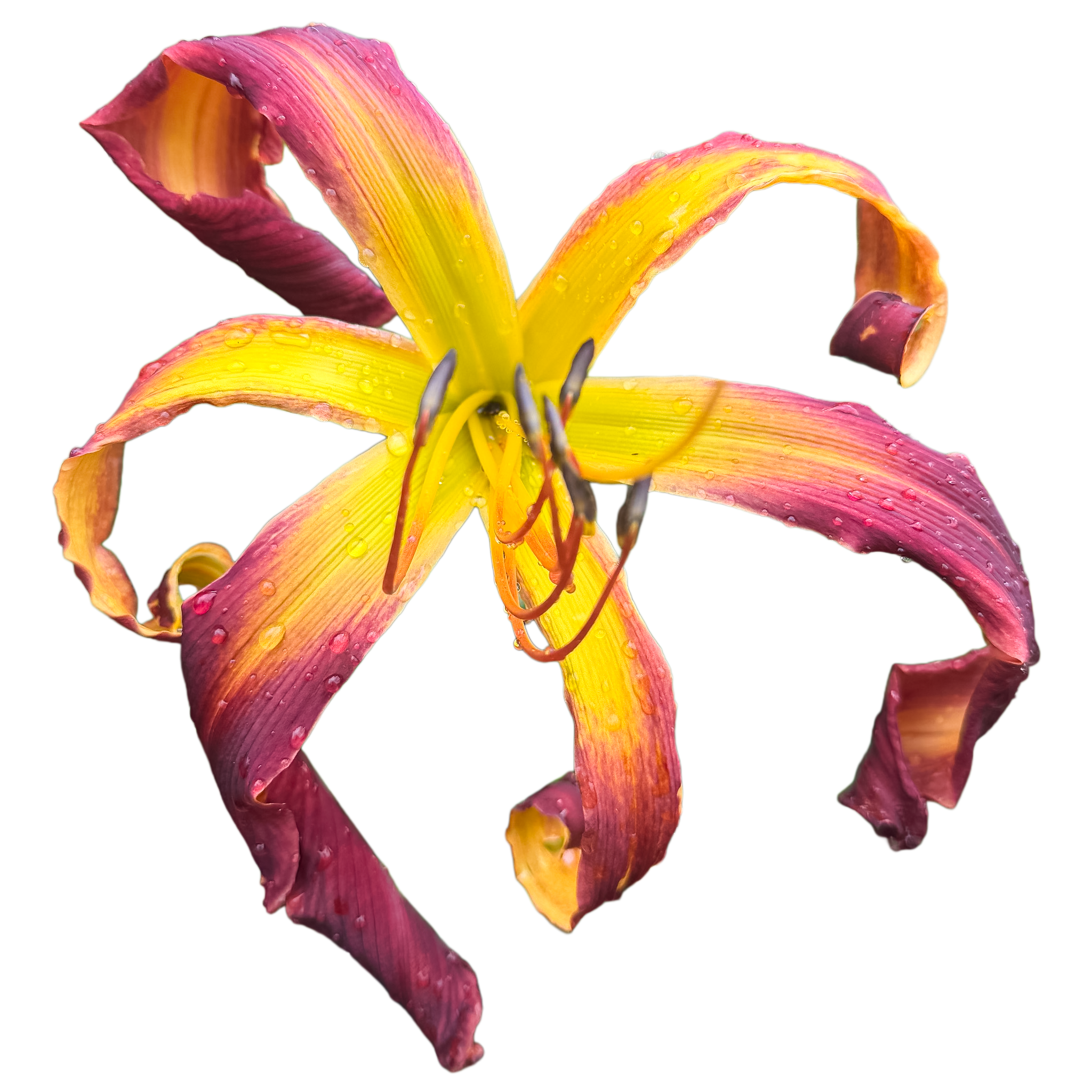
Dancing on Air, the distinctive spider-form daylily, is an interesting and somewhat divisive flower. Quoted by the family gardening matriarch as "the ugliest flower I have ever seen," we respectfully beg to differ when it comes to this misunderstood cultivar. Its narrow, twisting petals and unconventional form may not fit the traditional image of a daylily, but that's exactly what makes it so memorable.
An early-season bloomer, Dancing on Air adds texture, movement, and a completely different look to the garden when many other varieties are still just getting started. Whether you find it beautiful or bizarre, it's certainly a conversation starter. Select this cultivar if you're looking to add a pop of interest, character, and a little personality to your collection.
Official AHS Description
red self above green throat
Plant Details
Primary Color: red
Hybridizer: Stamile
Year: 2003
Scape Height: 29 in
Bloom Size: 11 in
Bloom Season: Extra Early
Form: Spider 5.80:1
Ploidy: Tetraploid
Foliage Type: Evergreen
Fragrance: Non-Fragrant
Bloom Habit: Diurnal
Rebloom: Yes
Seedling Number: Not listed
Bud Count: 38
Branches: 6
Parentage: (Waiting in the Wings x Skinny Marink)
Availability & Field Location
Price: $18
Inventory Available: 30
Availability: Available
Field Group: B
Flag Color: BLUE-T
Hillside Notes
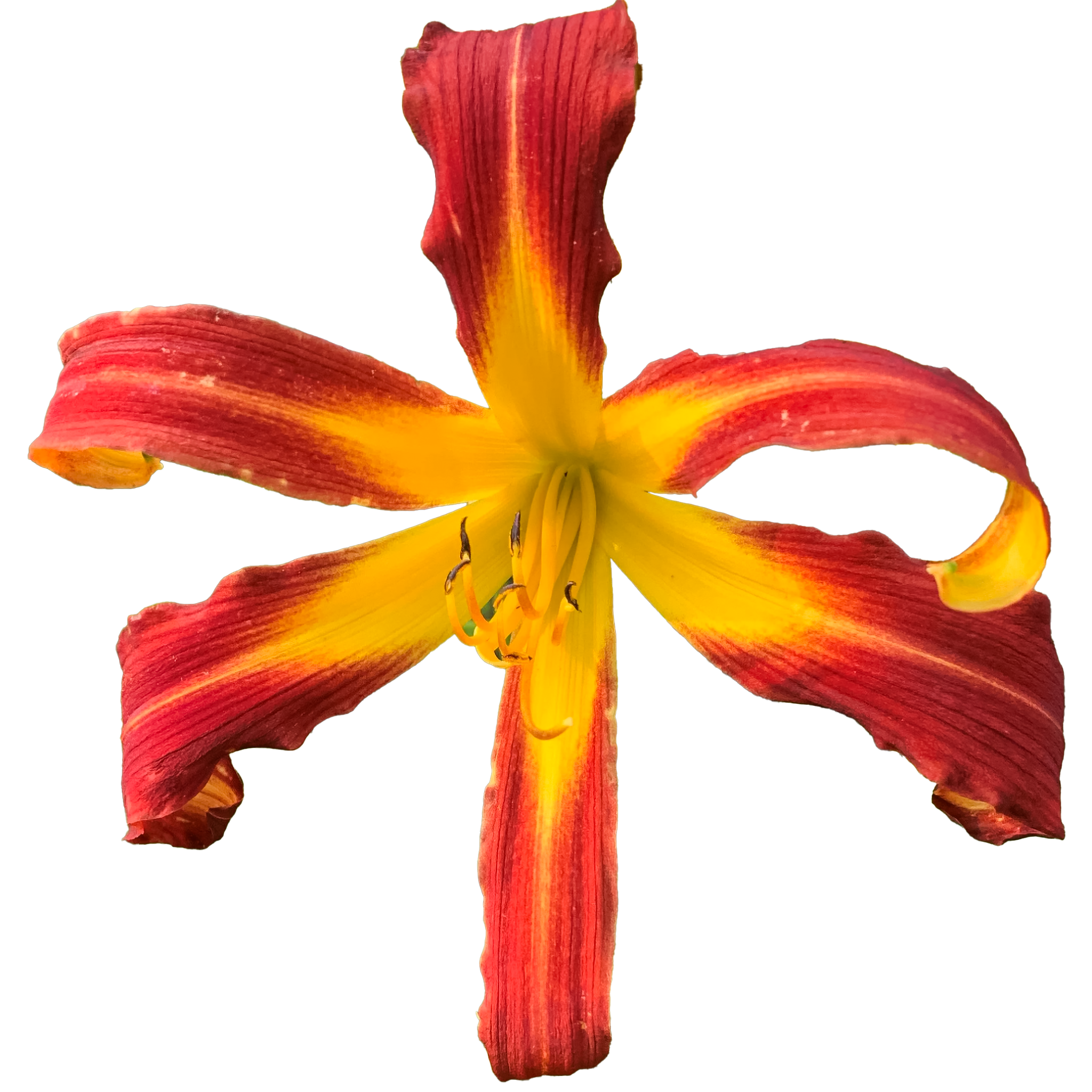
Red Ribbons is a spider-form daylily with red self with greenish yellow throat, giving it strong presence in a mixed daylily planting. We list it with 42 in scapes, 8 in blooms, midseason, diploid, evergreen so gardeners can compare it quickly with other varieties in the field. Use the photo, price, and AHS details on this page to compare it with similar cultivars before visiting or ordering. It is a good candidate for shoppers who want a named cultivar with clear details and current Hillside Lilies availability.
Official AHS Description
red self with greenish yellow throat
Plant Details
Primary Color: Red
Hybridizer: Lenington-G.
Year: 1964
Scape Height: 42 in
Bloom Size: 8 in
Bloom Season: Midseason
Form: Spider 4.70:1
Ploidy: Diploid
Foliage Type: Evergreen
Fragrance: Non-Fragrant
Bloom Habit: Diurnal
Rebloom: No
Parentage: (Wanda x Mabel Fuller)
Field Group: E
Flag Color: PINK
Availability & Field Location
Price: $25
Inventory: 17
Availability: Available
Field Group: E
Flag Color: PINK
Hillside Notes
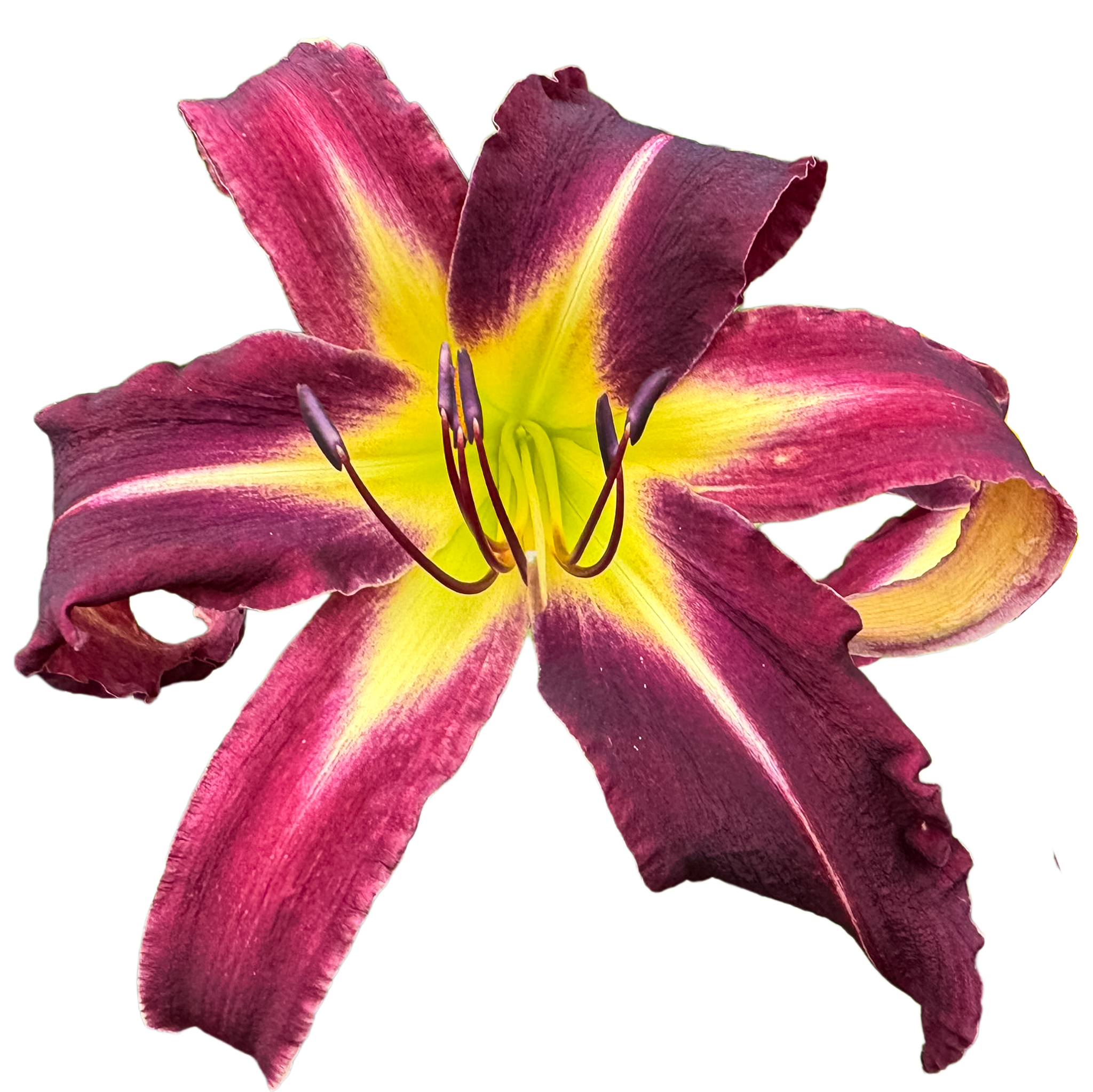
Select Planet Max is the perfect choice for gardeners looking for a daylily that is truly out of this world. This stunning purple cultivar, hybridized by Reed, shares a similar rich coloration with Laura Harwood, but its dramatic spider form gives it a completely different personality. Think of it as Laura Harwood's spider-form brother from another mother.
A vigorous grower and outstanding performer, Select Planet Max produces tall scapes loaded with blooms that command attention from across the garden. With its combination of height, flower count, and striking form, it consistently outperforms many surrounding varieties and remains one of our favorite purple spiders at Hillside Lilies.
Official AHS Description
dark purple self with lemon throat
Plant Details
Primary Color: Purple
Hybridizer: Reed
Year: 1996
Scape Height: 42 in
Bloom Size: 7 in
Bloom Season: Early-Midseason
Form: Spider 4.80:1
Ploidy: Diploid
Foliage Type: Semi-Evergreen
Fragrance: Non-Fragrant
Bloom Habit: Diurnal
Rebloom: No
Field Group: A
Flag Color: BLUE-T
Availability & Field Location
Price: $20
Inventory: 14
Availability: Available
Field Group: A
Flag Color: BLUE-T
Hillside Notes
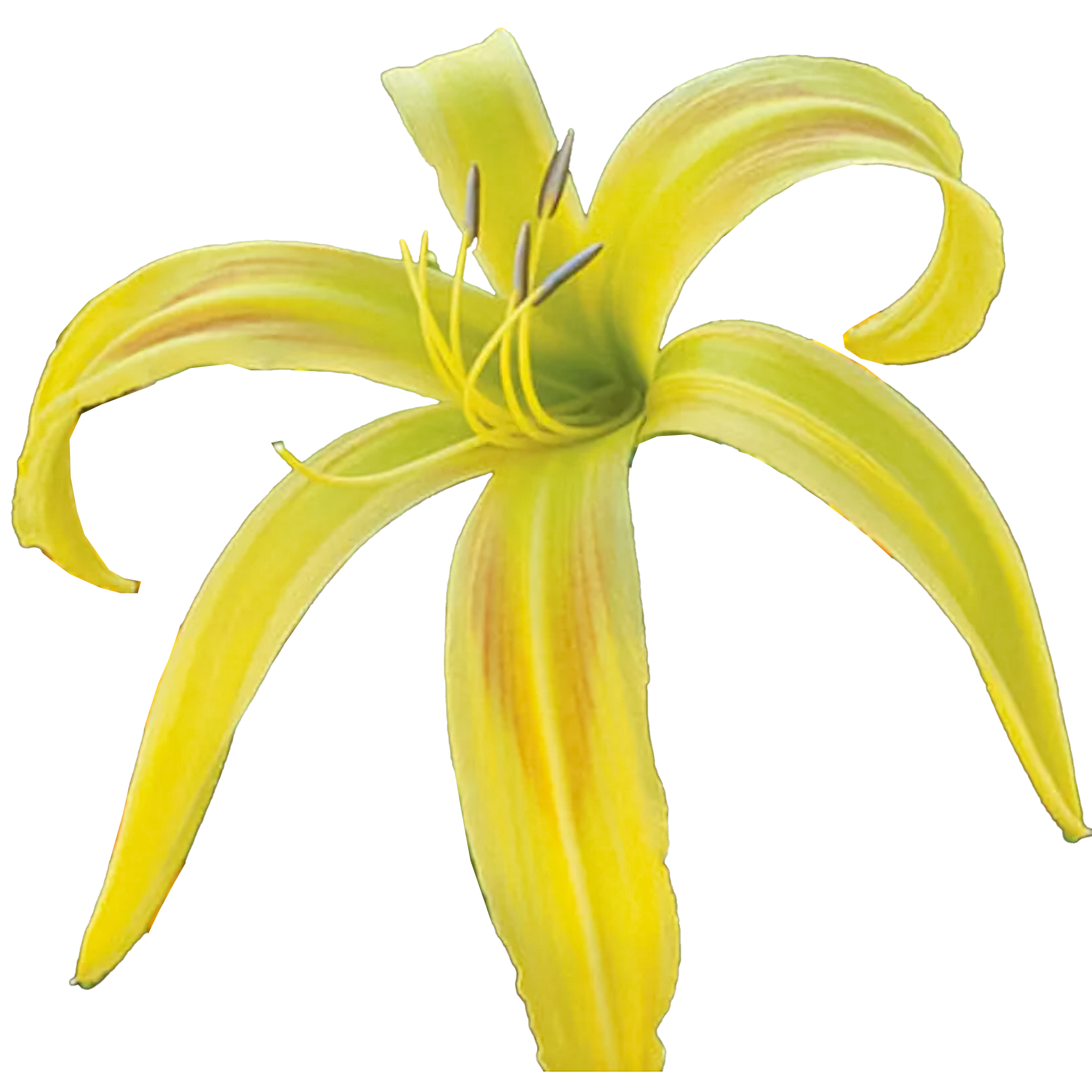
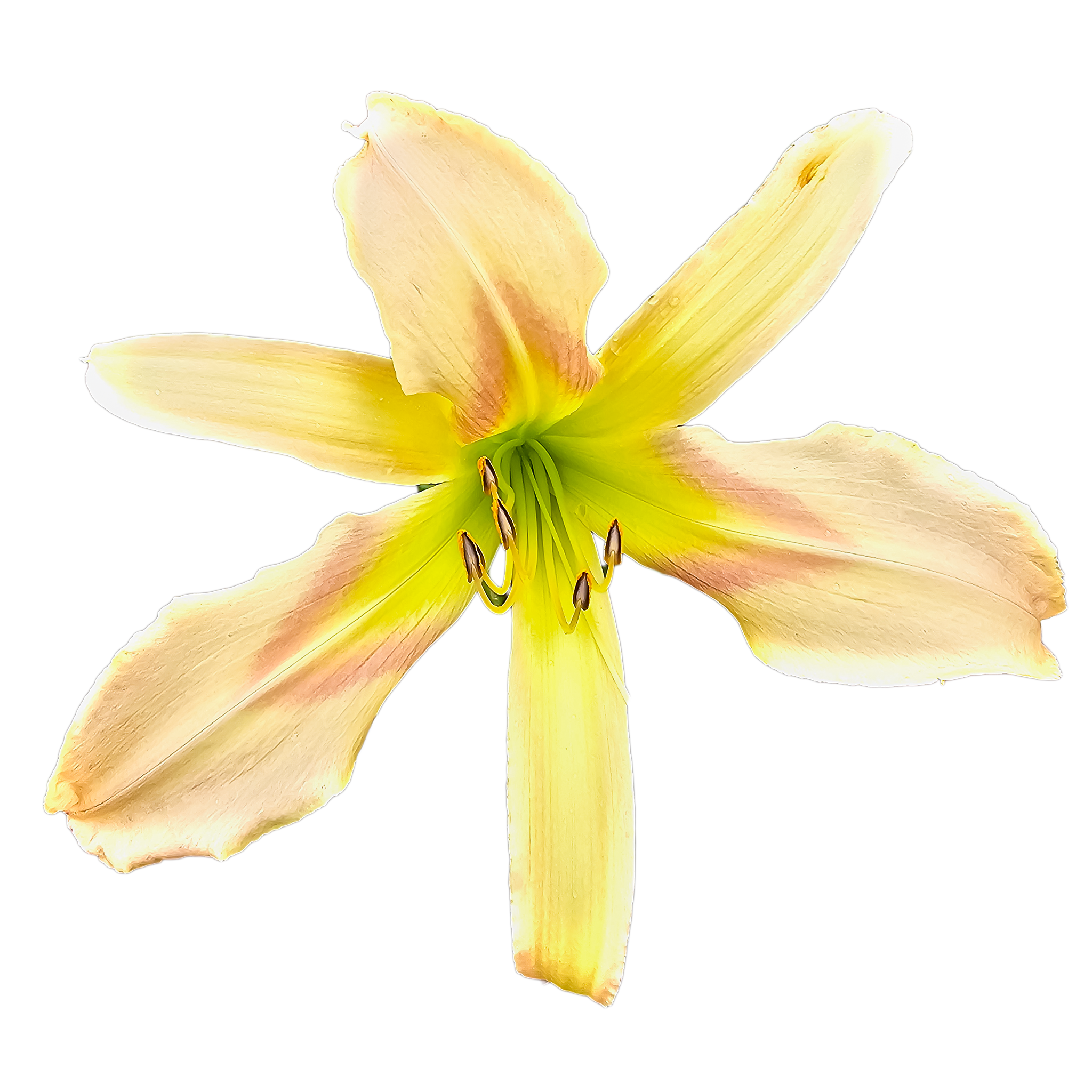
Jurassic Spider is an underrated standout on our tall row at Hillside Lilies. Featuring sturdy scapes, impressive height, and a reliable bud count, this spider-form daylily brings both structure and excitement to the garden. Its long, dramatic petals create a bold display that easily catches the eye among neighboring cultivars.
While it may not have roamed the earth with the dinosaurs, Jurassic Spider certainly makes a prehistoric-sized impression when it comes into bloom. Fortunately, unlike its namesake era, this giant is well-behaved, dependable, and unlikely to chase visitors through the garden. For gardeners looking to add height, character, and a touch of fun to their collection, Jurassic Spider is a variety worth discovering.
Official AHS Description
light rosy lavender and pale yellow with rose purple eyezone above green throat
Plant Details
Primary Color: Pink
Hybridizer: Burkey
Year: 1994
Scape Height: 28 in
Bloom Size: 10 in
Bloom Season: Midseason
Form: Spider 4.76:1
Ploidy: Diploid
Foliage Type: Dormant
Fragrance: Fragrant
Bloom Habit: Diurnal
Rebloom: No
Seedling Number: 88-108
Parentage: (Radiant Moonbeam x Persian Pattern)
Field Group: B
Flag Color: BLUE-T
Availability & Field Location
Price: $15
Inventory: 21
Availability: Available
Field Group: B
Flag Color: BLUE-T


Hillside Notes
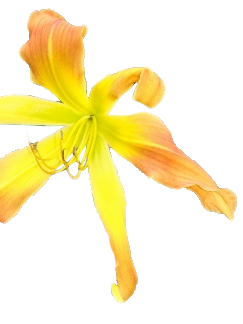
Watchyl Lavender Blue is a spider-form daylily with lavender bitone with white to green throat, giving it strong presence in a mixed daylily planting. We list it with 20 in scapes, 12 in blooms, midseason, diploid, dormant so gardeners can compare it quickly with other varieties in the field. Notable traits include 10 buds and 2 branches. It is a good candidate for shoppers who want a named cultivar with clear details and current Hillside Lilies availability.
Official AHS Description
lavender bitone with white to green throat
Plant Details
Primary Color: Purple
Hybridizer: Kreger
Year: 1998
Scape Height: 20 in
Bloom Size: 12 in
Bloom Season: Midseason
Form: Spider 4.00:1
Ploidy: Diploid
Foliage Type: Dormant
Fragrance: Non-Fragrant
Bloom Habit: Diurnal
Rebloom: No
Bud Count: 10
Branches: 2
Parentage: ((sdlg x Kindly Light) x Cerulean Star)
Field Group: FF
Flag Color: BLUE-B
Availability & Field Location
Price: $15
Inventory: 8
Availability: Available
Field Group: FF
Flag Color: BLUE-B