
Reblooming Daylilies
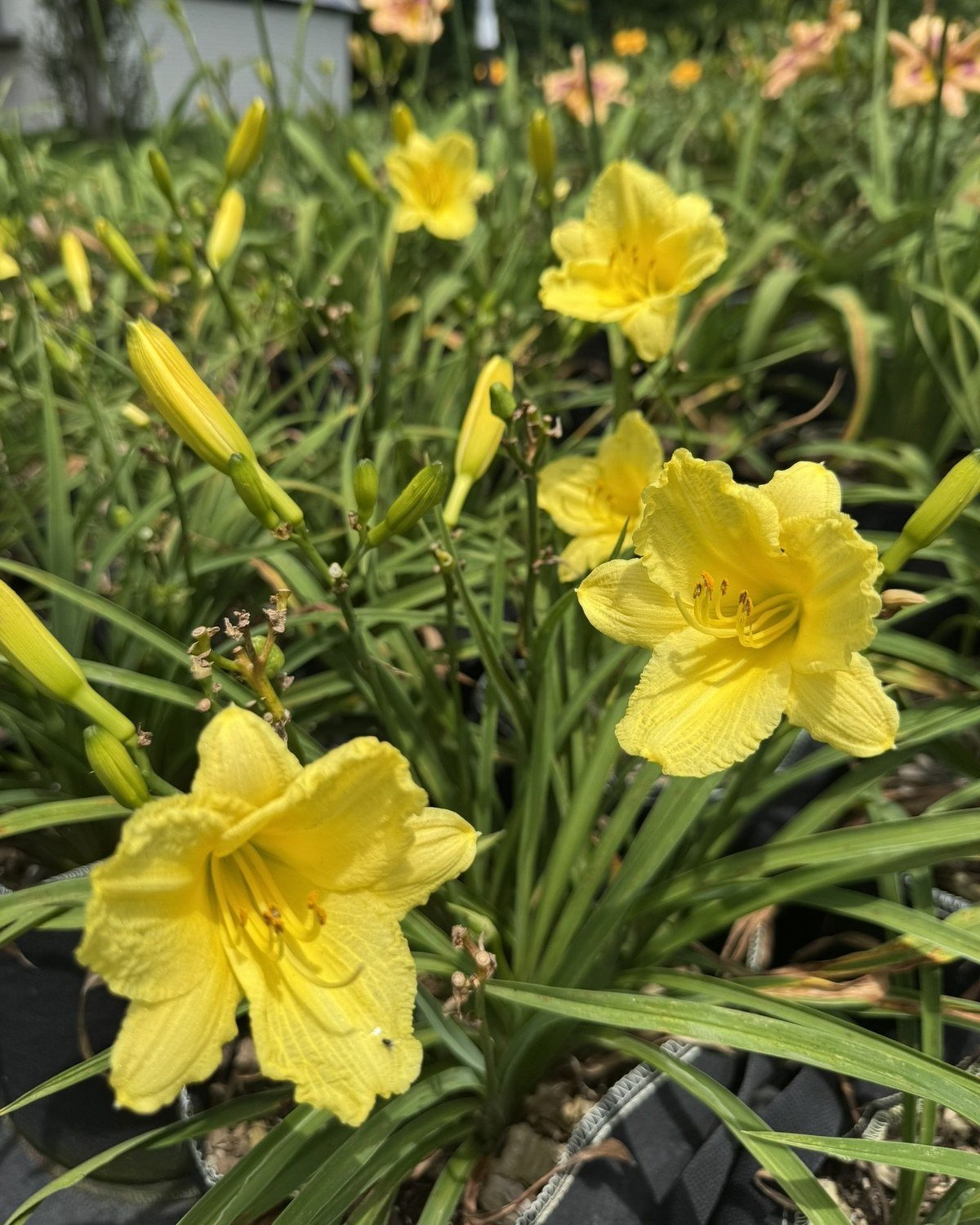
Most daylilies put on one big show and then call it a year. Rebloomers don't stop there. After the first flush of flowers, they send up new scapes (bloom stalks) and bloom again later in the summer, and some keep going in waves until fall. If you want color for more than a few weeks, this is the place to start.
How much a plant reblooms depends on your garden. A long, warm season, steady water and a sunny spot all help. Gardeners in the South usually see more repeat bloom than gardeners up North, where the season is shorter. Young plants often rebloom more once they've settled in for a year. So think of rebloom as a bonus that grows with the plant, not a promise of nonstop flowers.
We carry well over a hundred named rebloomers in just about every color and form: big ruffled tetraploids, spiders, doubles and little edging plants. Each plant page lists bloom season, height and foliage type, so you can line up early, mid and late bloomers and keep the garden going all summer.
Getting them home: Every plant here is grown at our nursery in Vale, North Carolina. Pick yours up free in a full 3-gallon grow bag, or have it shipped bare-root, with the shipping cost shown in your cart. Daylilies are tough, forgiving perennials that grow in most of the country. If you garden in the far North or the Deep South, check the foliage type on each plant page.
Want first pick before the spring rush? Reserve yours on our Spring Pre-Order page. Pickup and shipping start the week of May 11, 2027.
FAQ
What does reblooming mean?
The plant blooms more than once in a season. After the first round of flowers, it sends up new scapes and blooms again later in summer or into fall.
Will it rebloom the first year?
Sometimes, but it's not guaranteed. Rebloom gets stronger once a plant is established, and it depends on heat, water and season length where you live.
How do I get more rebloom?
Give it full sun, water during dry spells, and snap off finished scapes. A light feeding in spring helps too.
Hillside Notes
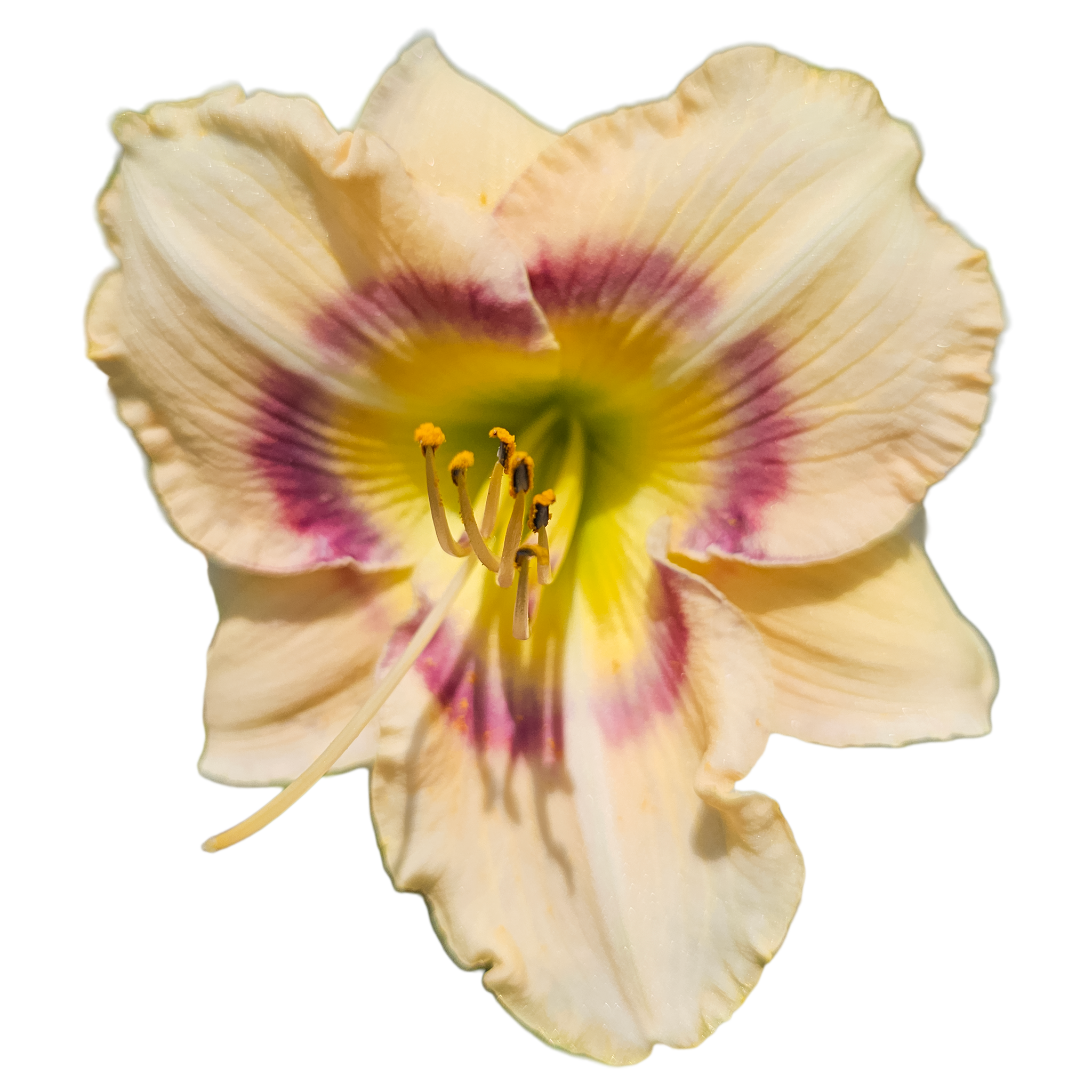
Huckleberry Candy is a daylily with cream with blue eye and green throat, making it a useful choice for gardeners comparing color, season, and garden effect. We list it with 20 in scapes, 4.25 in blooms, early-to-midseason, tetraploid, dormant so gardeners can compare it quickly with other varieties in the field. Notable traits include fragrant bloom, rebloom potential, 20 buds and 3 branches. This page is intended to make in-garden shopping easier by pairing the official details with our current price and availability.
Official AHS Description
cream with blue eye and green throat
Plant Details
Primary Color: Purple
Hybridizer: Stamile
Year: 1998
Scape Height: 20 in
Bloom Size: 4.25 in
Bloom Season: Early-Midseason
Ploidy: Tetraploid
Foliage Type: Dormant
Fragrance: Fragrant
Bloom Habit: Diurnal
Rebloom: Yes
Seedling Number: 5310-C
Bud Count: 20
Branches: 3
Parentage: (Exotic Candy x Magnificent Rainbow)
Field Group: DD
Flag Color: BLUE-B
Availability & Field Location
Price: $15
Inventory: 11
Availability: Available
Field Group: DD
Flag Color: BLUE-B

Hillside Notes
Asheville Sunrise is a daylily with golden yellow with bold red eye and matching picotee over, making it a useful choice for gardeners comparing color, season, and garden effect. We list it with 31 in scapes, 5.5 in blooms, midseason, tetraploid, dormant so gardeners can compare it quickly with other varieties in the field. Notable traits include rebloom potential, 18 buds and 3 branches. This page is intended to make in-garden shopping easier by pairing the official details with our current price and availability.
Official AHS Description
Golden yellow with bold red eye and matching picotee over yellow to green throat.
Plant Details
Primary Color: Yellow
Hybridizer: Selman
Year: 2022
Scape Height: 31 in
Bloom Size: 5.5 in
Bloom Season: Midseason
Ploidy: Tetraploid
Foliage Type: Dormant
Fragrance: Non-Fragrant
Bloom Habit: Diurnal
Rebloom: Yes
Bud Count: 18
Branches: 3
Parentage: ((Lip Smack x Last Fool Standing) x (Last Fool Standing x Lip Smack))
Field Group: AA
Flag Color: ORANGE
Availability & Field Location
Price: $25
Inventory: 5
Availability: Available
Field Group: AA
Flag Color: ORANGE
Hillside Notes
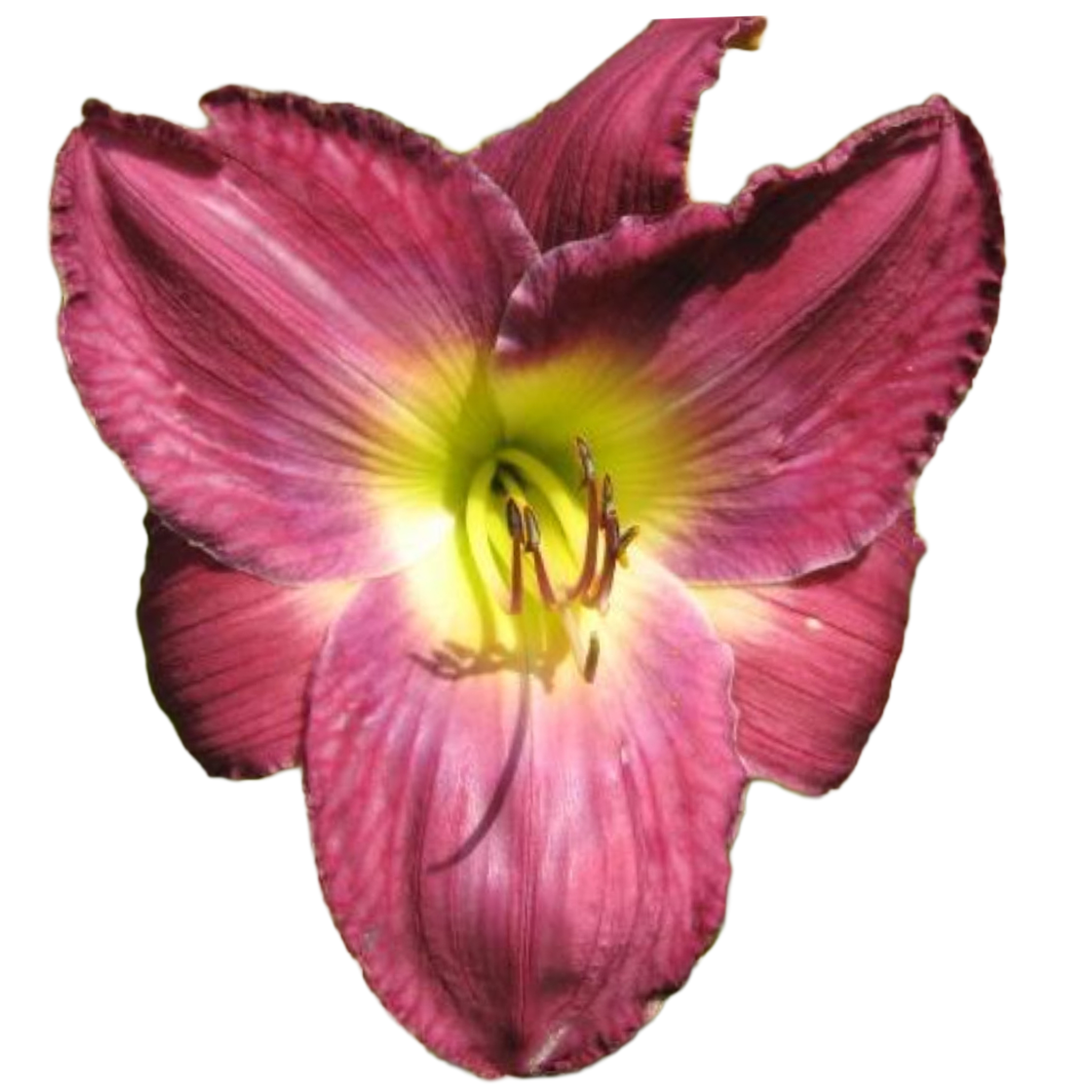
Midnight Oasis is a daylily with rose purple with large blue lavender purple eye above yellow, making it a useful choice for gardeners comparing color, season, and garden effect. We list it with 30 in scapes, 7 in blooms, midseason, tetraploid, dormant so gardeners can compare it quickly with other varieties in the field. Notable traits include rebloom potential, 20 buds and 1 branches. For best results, review the bloom size, season, and field location alongside the photo before adding it to your list.
Official AHS Description
rose purple with large blue lavender purple eye above yellow green throat
Plant Details
Primary Color: Purple
Hybridizer: Sellers
Year: 2000
Scape Height: 30 in
Bloom Size: 7 in
Bloom Season: Midseason
Ploidy: Tetraploid
Foliage Type: Dormant
Fragrance: Non-Fragrant
Bloom Habit: Diurnal
Rebloom: Yes
Bud Count: 20
Branches: 1
Parentage: (sdlg x Tet. Morning Mood)
Field Group: AA
Flag Color: ORANGE
Availability & Field Location
Price: $10
Inventory: 16
Availability: Available
Field Group: AA
Flag Color: ORANGE

Hillside Notes
Heal Thy Spirit is a daylily with antique light rose with rose burgundy eye and chartreuse throat, making it a useful choice for gardeners comparing color, season, and garden effect. We list it with 25 in scapes, 6 in blooms, early-to-midseason, tetraploid, dormant so gardeners can compare it quickly with other varieties in the field. Notable traits include rebloom potential. Compare it with nearby field selections or related cultivars if you are building a color-focused or season-spanning collection.
Official AHS Description
antique light rose with rose burgundy eye and chartreuse throat
Plant Details
Primary Color: Pink
Hybridizer: Olson-E.
Year: 1998
Scape Height: 25 in
Bloom Size: 6 in
Bloom Season: Early-Midseason
Ploidy: Tetraploid
Foliage Type: Dormant
Fragrance: Non-Fragrant
Bloom Habit: Diurnal
Rebloom: Yes
Seedling Number: 37328
Parentage: (sdlg × sdlg)
Field Group: AA
Flag Color: ORANGE
Availability & Field Location
Price: $20
Inventory: 20
Availability: Available
Field Group: AA
Flag Color: ORANGE

Hillside Notes
Faber Sabre is a daylily with bright lemon yellow self above huge green throat, making it a useful choice for gardeners comparing color, season, and garden effect. We list it with 28 in scapes, 7.75 in blooms, early-to-midseason, diploid, semi-evergreen so gardeners can compare it quickly with other varieties in the field. Notable traits include fragrant bloom, rebloom potential, 24 buds and 4 branches. It is a good candidate for shoppers who want a named cultivar with clear details and current Hillside Lilies availability.
Official AHS Description
bright lemon yellow self above huge green throat
Plant Details
Primary Color: Yellow
Hybridizer: Owen-P.
Year: 2009
Scape Height: 28 in
Bloom Size: 7.75 in
Bloom Season: Early-Midseason
Ploidy: Diploid
Foliage Type: Semi-Evergreen
Fragrance: Fragrant
Bloom Habit: Diurnal
Rebloom: Yes
Seedling Number: 7D-108
Bud Count: 24
Branches: 4
Parentage: ((Midwest Majesty x Pink Super Spider) x Lady Fingers)
Field Group: AA
Flag Color: ORANGE
Availability & Field Location
Price: $15
Inventory: 13
Availability: Available
Field Group: AA
Flag Color: ORANGE

Hillside Notes
Hopi Jewel is a daylily with bright rose with darker band above yellow to green throat, making it a useful choice for gardeners comparing color, season, and garden effect. We list it with 30 in scapes, 6 in blooms, midseason, tetraploid, semi-evergreen so gardeners can compare it quickly with other varieties in the field. Notable traits include fragrant bloom, rebloom potential, 18 buds and 3 branches. For best results, review the bloom size, season, and field location alongside the photo before adding it to your list.
Official AHS Description
bright rose with darker band above yellow to green throat
Plant Details
Primary Color: Pink
Hybridizer: Selman
Year: 2007
Scape Height: 30 in
Bloom Size: 6 in
Bloom Season: Midseason
Ploidy: Tetraploid
Foliage Type: Semi-Evergreen
Fragrance: Fragrant
Bloom Habit: Diurnal
Rebloom: Yes
Seedling Number: 02-283A
Bud Count: 18
Branches: 3
Parentage: (sdlg x Rose Masterpiece)
Field Group: AA
Flag Color: ORANGE
Availability & Field Location
Price: $15
Inventory: 10
Availability: Available
Field Group: AA
Flag Color: ORANGE
Hillside Notes
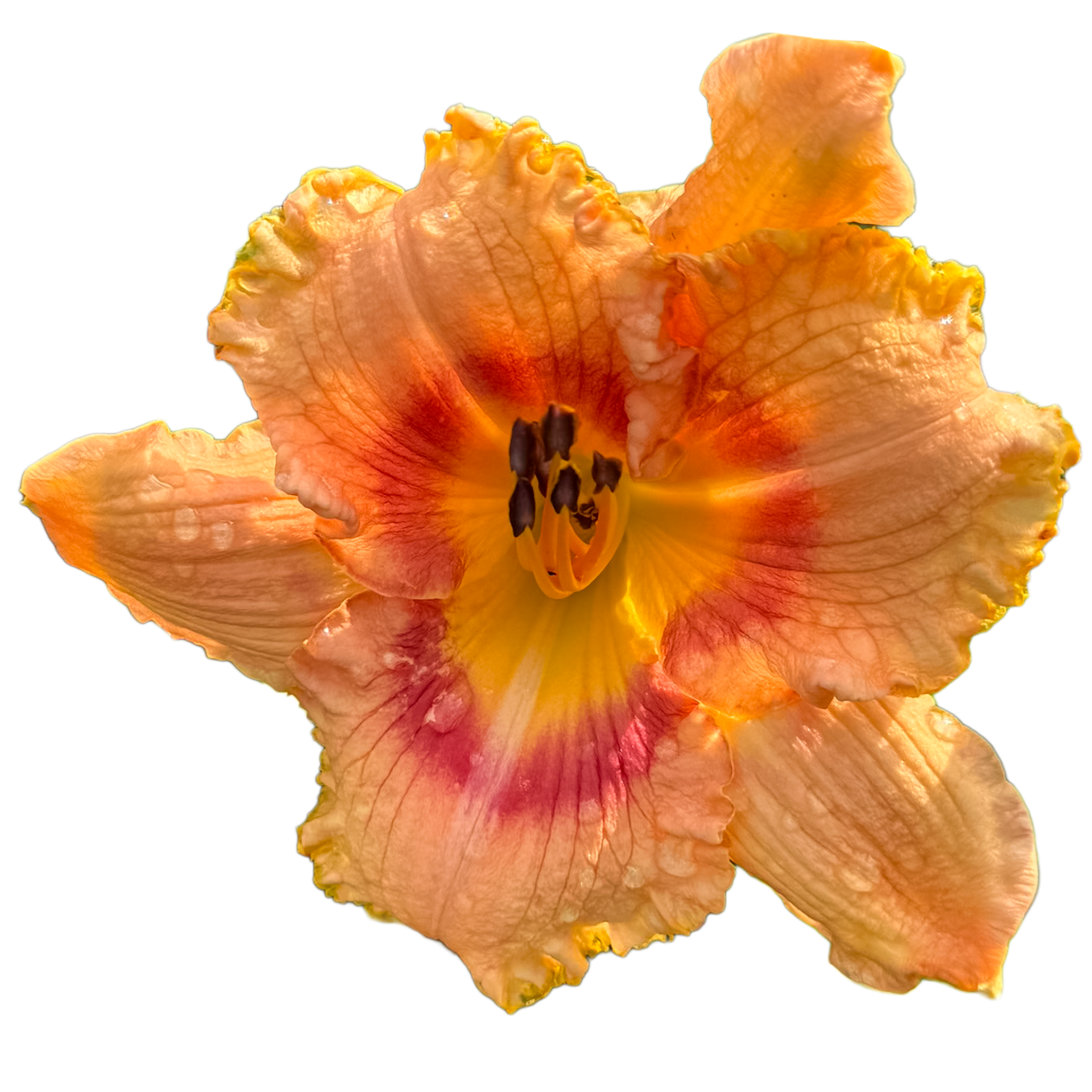
Elegant Candy is a daylily with pink with red eyezone and green throat, making it a useful choice for gardeners comparing color, season, and garden effect. We list it with 25 in scapes, 4.25 in blooms, early-to-midseason, tetraploid, dormant so gardeners can compare it quickly with other varieties in the field. Notable traits include very fragrant bloom, rebloom potential. It is a good candidate for shoppers who want a named cultivar with clear details and current Hillside Lilies availability.
Official AHS Description
pink with red eyezone and green throat
Plant Details
Primary Color: Pink
Hybridizer: Stamile
Year: 1995
Scape Height: 25 in
Bloom Size: 4.25 in
Bloom Season: Early-Midseason
Ploidy: Tetraploid
Foliage Type: Dormant
Fragrance: Very Fragrant
Bloom Habit: Diurnal
Rebloom: Yes
Parentage: (Lady of Fortune x Tet. Janice Brown)
Field Group: Z
Flag Color: ORANGE
Availability & Field Location
Price: $20
Inventory: 7
Availability: Available
Field Group: Z
Flag Color: ORANGE
Hillside Notes
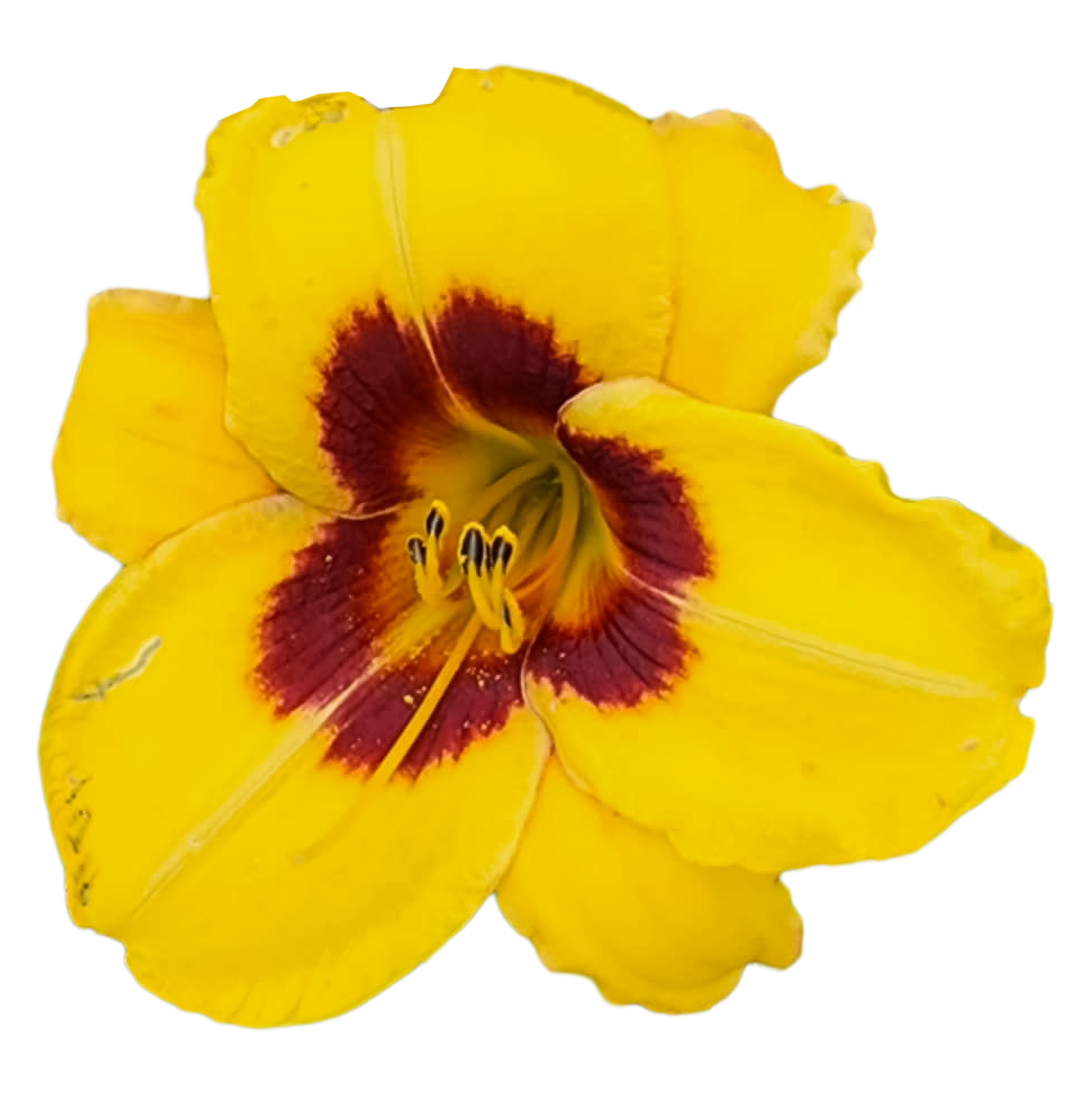
Blackberry Candy is a daylily with gold with black eyezone, making it a useful choice for gardeners comparing color, season, and garden effect. We list it with 25 in scapes, 4 in blooms, late season, tetraploid, dormant so gardeners can compare it quickly with other varieties in the field. Notable traits include fragrant bloom, rebloom potential. For best results, review the bloom size, season, and field location alongside the photo before adding it to your list.
Official AHS Description
gold with black eyezone
Plant Details
Primary Color: Yellow
Hybridizer: Stamile
Year: 1989
Scape Height: 25 in
Bloom Size: 4 in
Bloom Season: Late
Ploidy: Tetraploid
Foliage Type: Dormant
Fragrance: Fragrant
Bloom Habit: Extended
Rebloom: Yes
Parentage: (Raging Tiger x Tet. Siloam Virginia Henson)
Field Group: Z
Flag Color: ORANGE
Availability & Field Location
Price: $15
Inventory: 14
Availability: Available
Field Group: Z
Flag Color: ORANGE
Hillside Notes
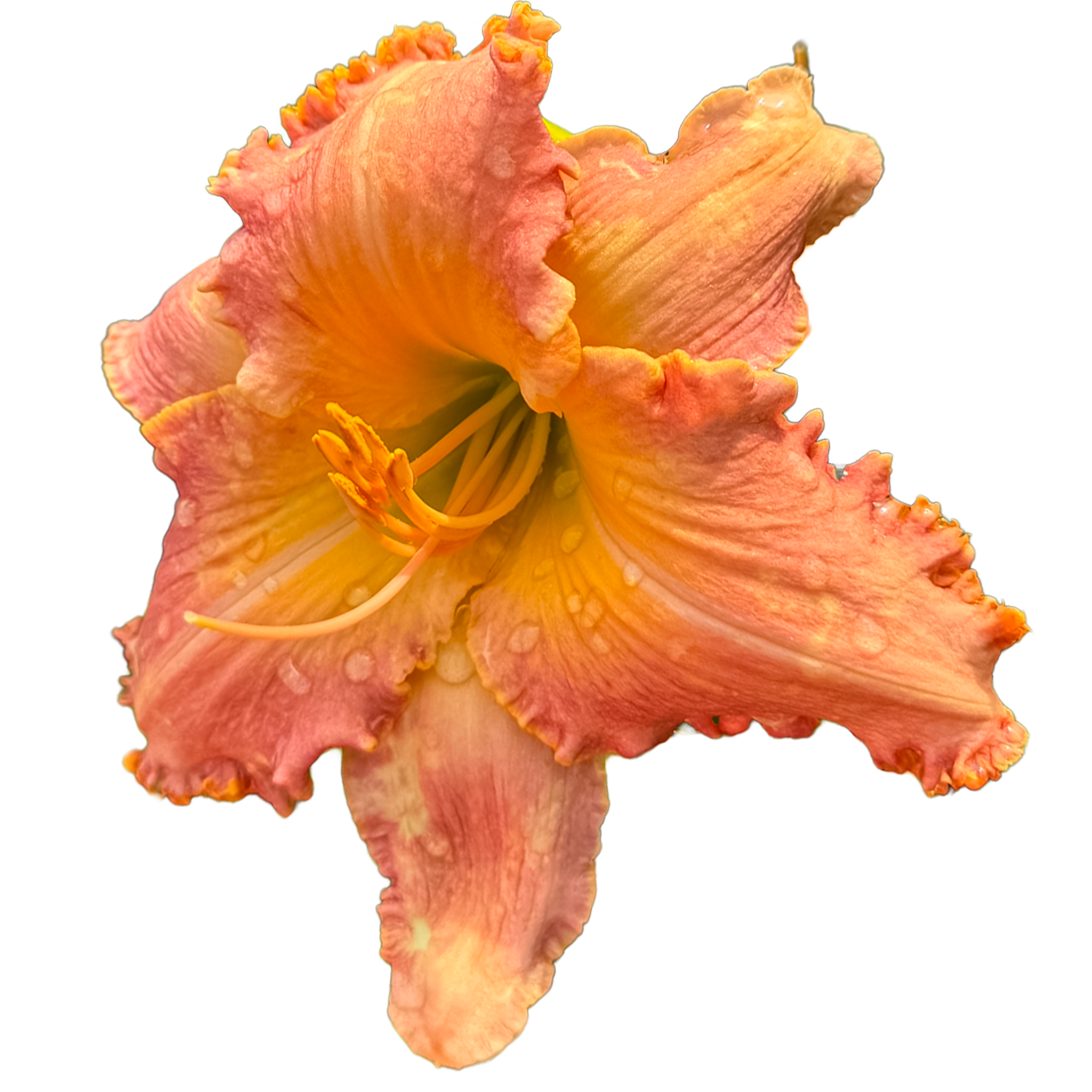
Tani is a daylily with rose pink self with green throat, making it a useful choice for gardeners comparing color, season, and garden effect. We list it with 24 in scapes, 6 in blooms, early-to-midseason, diploid, evergreen so gardeners can compare it quickly with other varieties in the field. Notable traits include rebloom potential. Compare it with nearby field selections or related cultivars if you are building a color-focused or season-spanning collection.
Official AHS Description
rose pink self with green throat
Plant Details
Primary Color: Pink
Hybridizer: Pierce-C.
Year: 1983
Scape Height: 24 in
Bloom Size: 6 in
Bloom Season: Early-Midseason
Ploidy: Diploid
Foliage Type: Evergreen
Fragrance: Non-Fragrant
Bloom Habit: Diurnal
Rebloom: Yes
Seedling Number: 303-80
Parentage: (sdlg × Becky Lynn)
Field Group: Z
Flag Color: ORANGE
Availability & Field Location
Price: $10
Inventory: 0
Availability: Not currently available
Field Group: Z
Flag Color: ORANGE
Hillside Notes
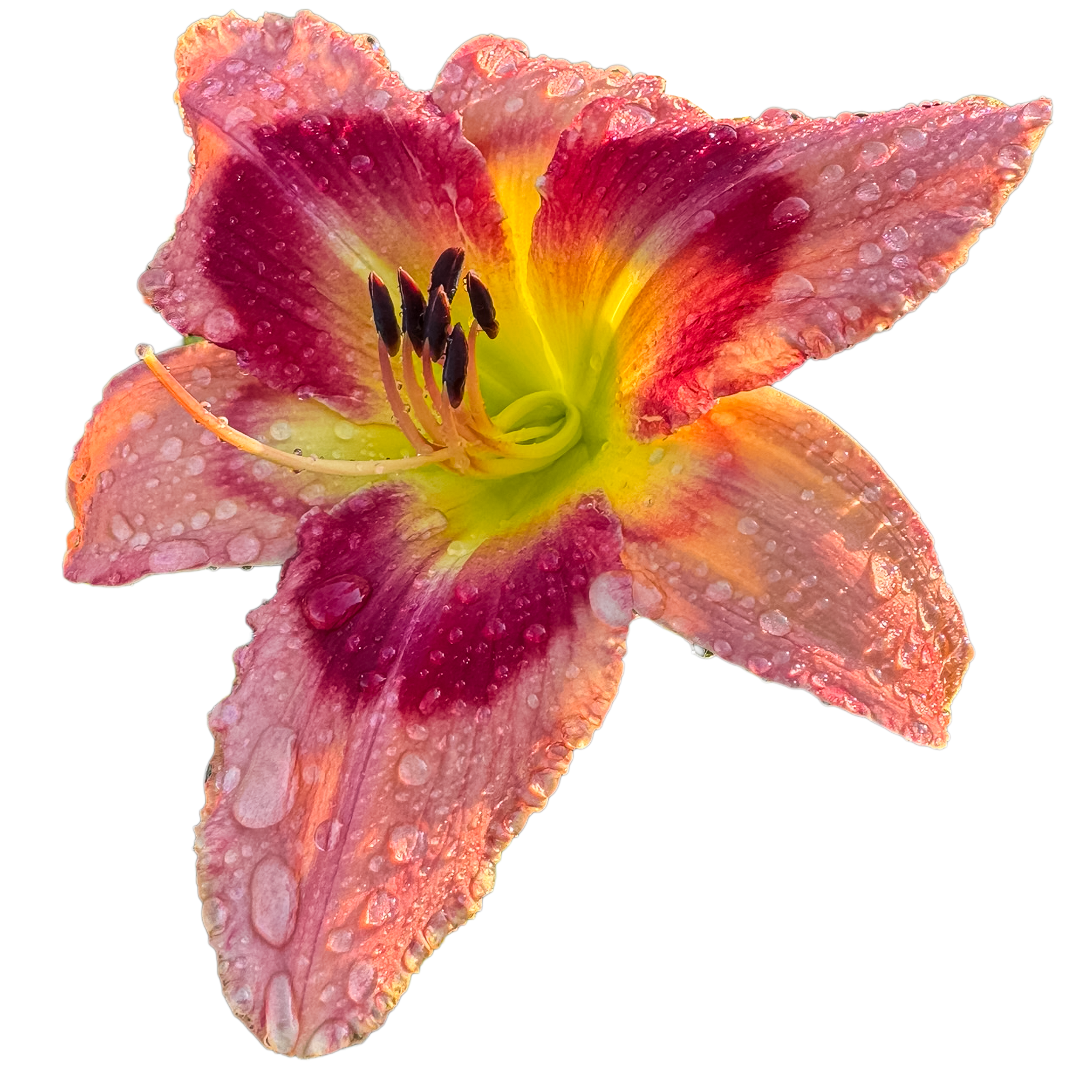
Carnival in Mexico is a daylily with pale veined rose with very large deep red eye above, making it a useful choice for gardeners comparing color, season, and garden effect. We list it with 30 in scapes, 7 in blooms, midseason, tetraploid, dormant so gardeners can compare it quickly with other varieties in the field. Notable traits include rebloom potential, 22 buds and 3 branches. This page is intended to make in-garden shopping easier by pairing the official details with our current price and availability.
Official AHS Description
pale veined rose with very large deep red eye above green throat
Plant Details
Primary Color: Pink
Hybridizer: Santa Lucia
Year: 2000
Scape Height: 30 in
Bloom Size: 7 in
Bloom Season: Midseason
Ploidy: Tetraploid
Foliage Type: Dormant
Fragrance: Non-Fragrant
Bloom Habit: Diurnal
Rebloom: Yes
Seedling Number: IGG0037
Bud Count: 22
Branches: 3
Parentage: (sdlg × Tet. Vegas Lights)
Field Group: Z
Flag Color: ORANGE
Availability & Field Location
Price: $25
Inventory: 37
Availability: Available
Field Group: Z
Flag Color: ORANGE
Hillside Notes
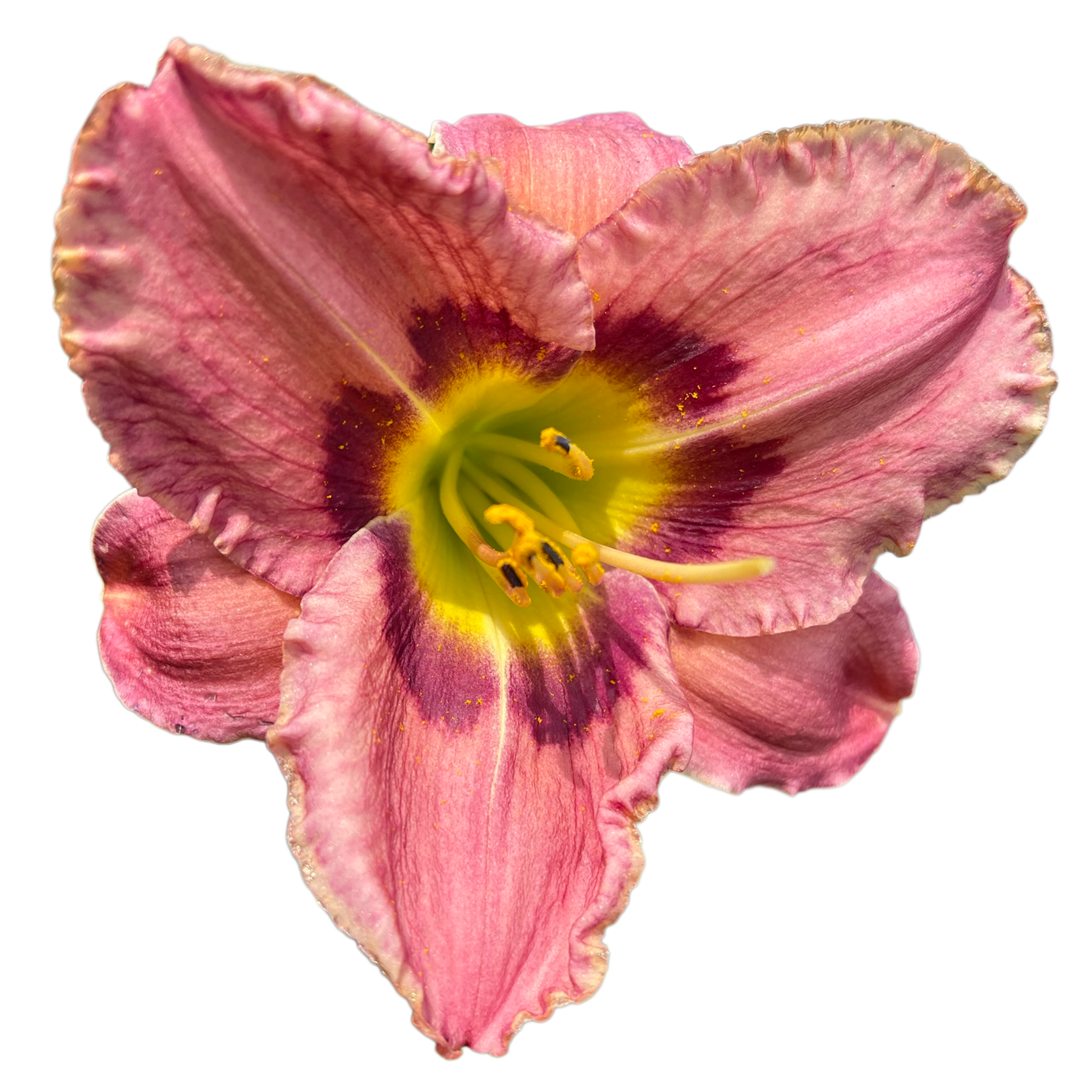
Always Afternoon is a daylily with medium mauve edged buff with purple eyezone and green throat, making it a useful choice for gardeners comparing color, season, and garden effect. We list it with 22 in scapes, 5.5 in blooms, early season, tetraploid, semi-evergreen so gardeners can compare it quickly with other varieties in the field. Notable traits include rebloom potential. For best results, review the bloom size, season, and field location alongside the photo before adding it to your list.
Official AHS Description
medium mauve edged buff with purple eyezone and green throat
Plant Details
Primary Color: Pink
Hybridizer: Morss
Year: 1987
Scape Height: 22 in
Bloom Size: 5.5 in
Bloom Season: Early
Ploidy: Tetraploid
Foliage Type: Semi-Evergreen
Fragrance: Non-Fragrant
Bloom Habit: Extended
Rebloom: Yes
Seedling Number: OOROCTF
Parentage: ((Ring of Change x Tiffany Palace) x Opus One)
Field Group: Y
Flag Color: ORANGE
Availability & Field Location
Price: $12
Inventory: 4
Availability: Available
Field Group: Y
Flag Color: ORANGE
Hillside Notes
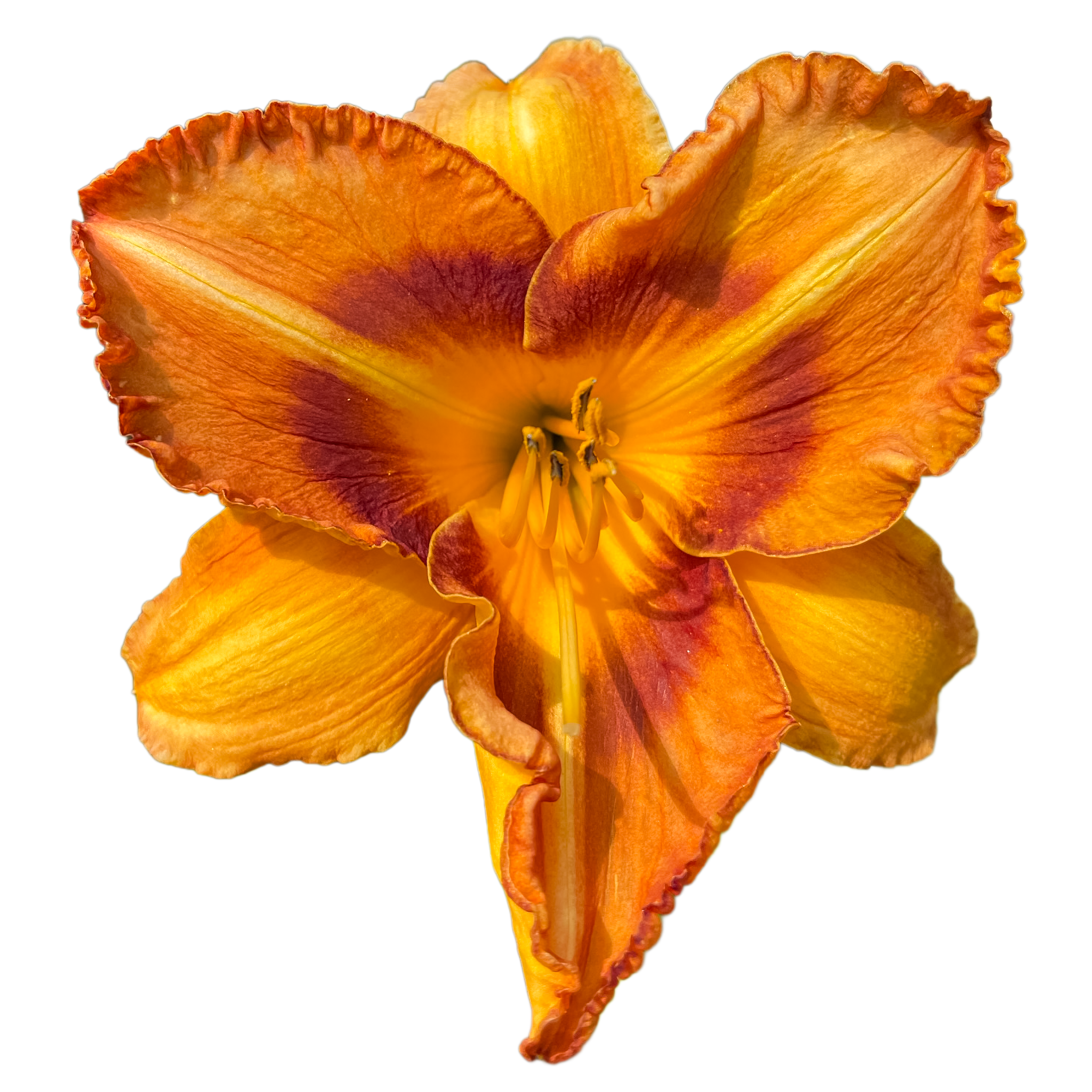
Gamblin' Man is a daylily with apricot orange pink bitone with reddish maroon band and edge, making it a useful choice for gardeners comparing color, season, and garden effect. We list it with 35 in scapes, 6 in blooms, early-to-midseason, tetraploid, semi-evergreen so gardeners can compare it quickly with other varieties in the field. Notable traits include rebloom potential, 18 buds and 4 branches. Compare it with nearby field selections or related cultivars if you are building a color-focused or season-spanning collection.
Official AHS Description
apricot orange pink bitone with reddish maroon band and edge above yellow to green throat
Plant Details
Primary Color: Orange
Hybridizer: Foster-P.
Year: 2009
Scape Height: 35 in
Bloom Size: 6 in
Bloom Season: Early-Midseason
Ploidy: Tetraploid
Foliage Type: Semi-Evergreen
Fragrance: Non-Fragrant
Bloom Habit: Diurnal
Rebloom: Yes
Bud Count: 18
Branches: 4
Parentage: (Pure and Simple x Forsyth Catawba)
Field Group: Y
Flag Color: ORANGE
Availability & Field Location
Price: $10
Inventory: 18
Availability: Available
Field Group: Y
Flag Color: ORANGE
Hillside Notes
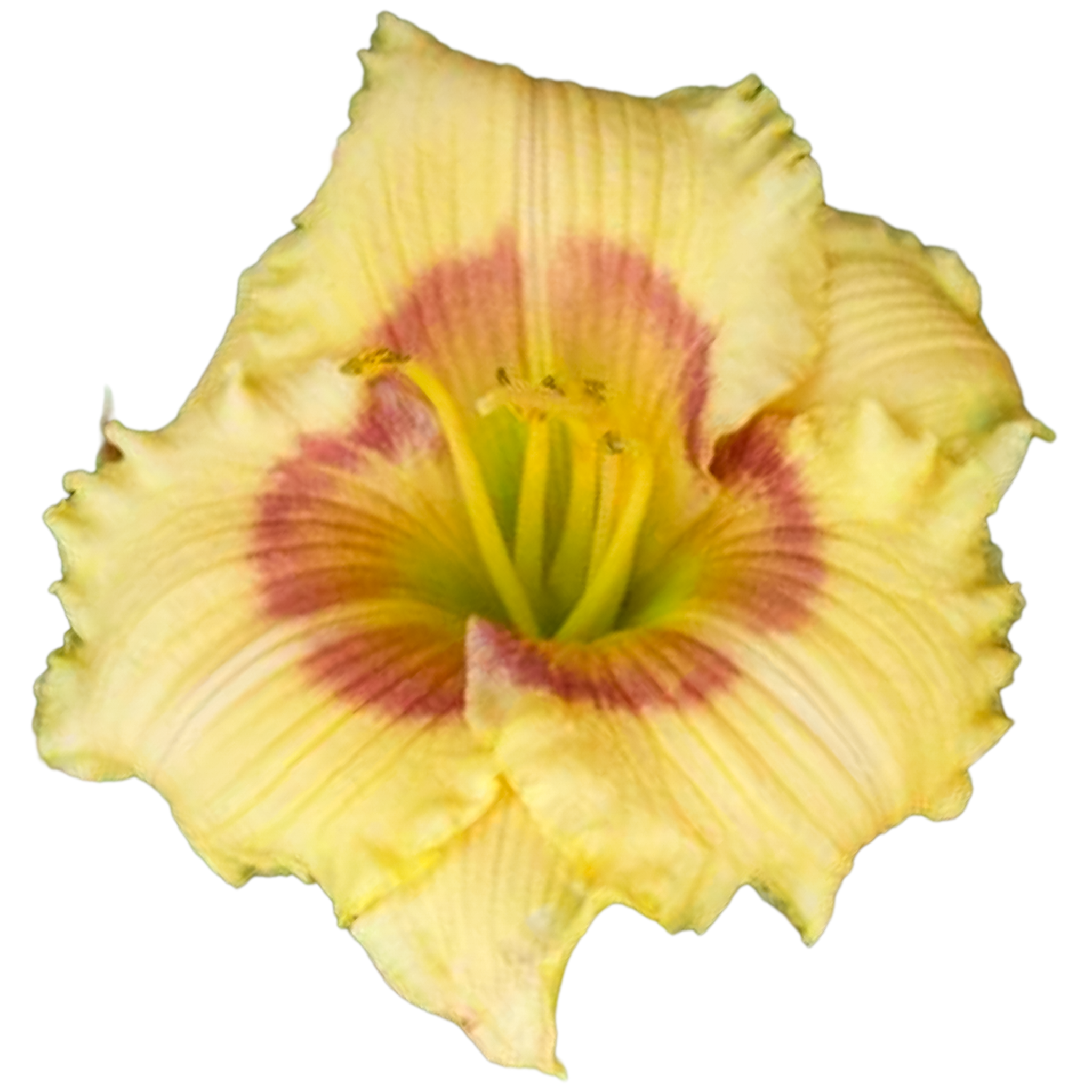
Pimiento Pepper is a daylily with yellow ochre with light red eyezone above pepper green throat, making it a useful choice for gardeners comparing color, season, and garden effect. We list it with 20 in scapes, 3.5 in blooms, early-to-midseason, diploid, evergreen so gardeners can compare it quickly with other varieties in the field. Notable traits include rebloom potential. This page is intended to make in-garden shopping easier by pairing the official details with our current price and availability.
Official AHS Description
yellow ochre with light red eyezone above pepper green throat
Plant Details
Primary Color: Yellow
Hybridizer: Joiner
Year: 1993
Scape Height: 20 in
Bloom Size: 3.5 in
Bloom Season: Early-Midseason
Ploidy: Diploid
Foliage Type: Evergreen
Fragrance: Non-Fragrant
Bloom Habit: Diurnal
Rebloom: Yes
Seedling Number: 91-D-EF-JS-6
Parentage: (Extra Fancy × Jason Salter)
Field Group: Y
Flag Color: ORANGE
Availability & Field Location
Price: $12
Inventory: 11
Availability: Available
Field Group: Y
Flag Color: ORANGE
Hillside Notes
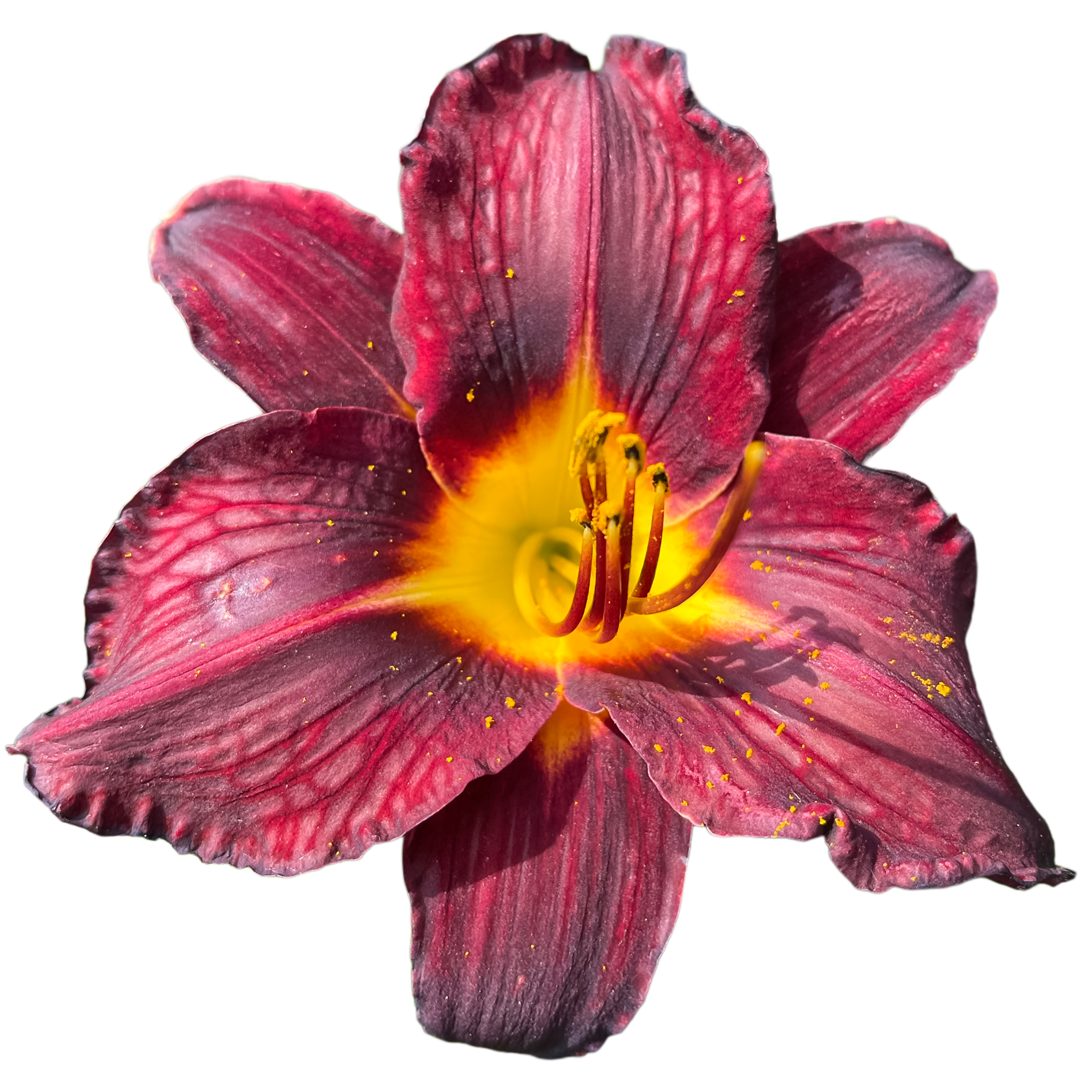
Dominic is a daylily with dark red self with light yellow throat, making it a useful choice for gardeners comparing color, season, and garden effect. We list it with 30 in scapes, 5.5 in blooms, early-to-midseason, tetraploid, semi-evergreen so gardeners can compare it quickly with other varieties in the field. Notable traits include rebloom potential. It is a good candidate for shoppers who want a named cultivar with clear details and current Hillside Lilies availability.
Official AHS Description
dark red self with light yellow throat
Plant Details
Primary Color: Dark
Hybridizer: Williams-J.
Year: 1984
Scape Height: 30 in
Bloom Size: 5.5 in
Bloom Season: Early-Midseason
Ploidy: Tetraploid
Foliage Type: Semi-Evergreen
Fragrance: Non-Fragrant
Bloom Habit: Diurnal
Rebloom: Yes
Seedling Number: RAB-1-80
Parentage: (Royal Ambassador x Baja)
Field Group: Y
Flag Color: ORANGE
Availability & Field Location
Price: $12
Inventory: 10
Availability: Available
Field Group: Y
Flag Color: ORANGE

Hillside Notes
Nutmeg Spice is a daylily with apricot wash with a mauve wine eyezone and yellow green, making it a useful choice for gardeners comparing color, season, and garden effect. We list it with 28 in scapes, 3.5 in blooms, early-to-midseason, tetraploid, evergreen so gardeners can compare it quickly with other varieties in the field. Notable traits include rebloom potential. For best results, review the bloom size, season, and field location alongside the photo before adding it to your list.
Official AHS Description
apricot wash with a mauve wine eyezone and yellow green throat
Plant Details
Primary Color: Orange
Hybridizer: Joiner
Year: 1997
Scape Height: 28 in
Bloom Size: 3.5 in
Bloom Season: Early-Midseason
Ploidy: Tetraploid
Foliage Type: Evergreen
Fragrance: Non-Fragrant
Bloom Habit: Diurnal
Rebloom: Yes
Seedling Number: 95-T-JW-37-46
Field Group: Y
Flag Color: ORANGE
Availability & Field Location
Price: $12
Inventory: 8
Availability: Available
Field Group: Y
Flag Color: ORANGE
Hillside Notes
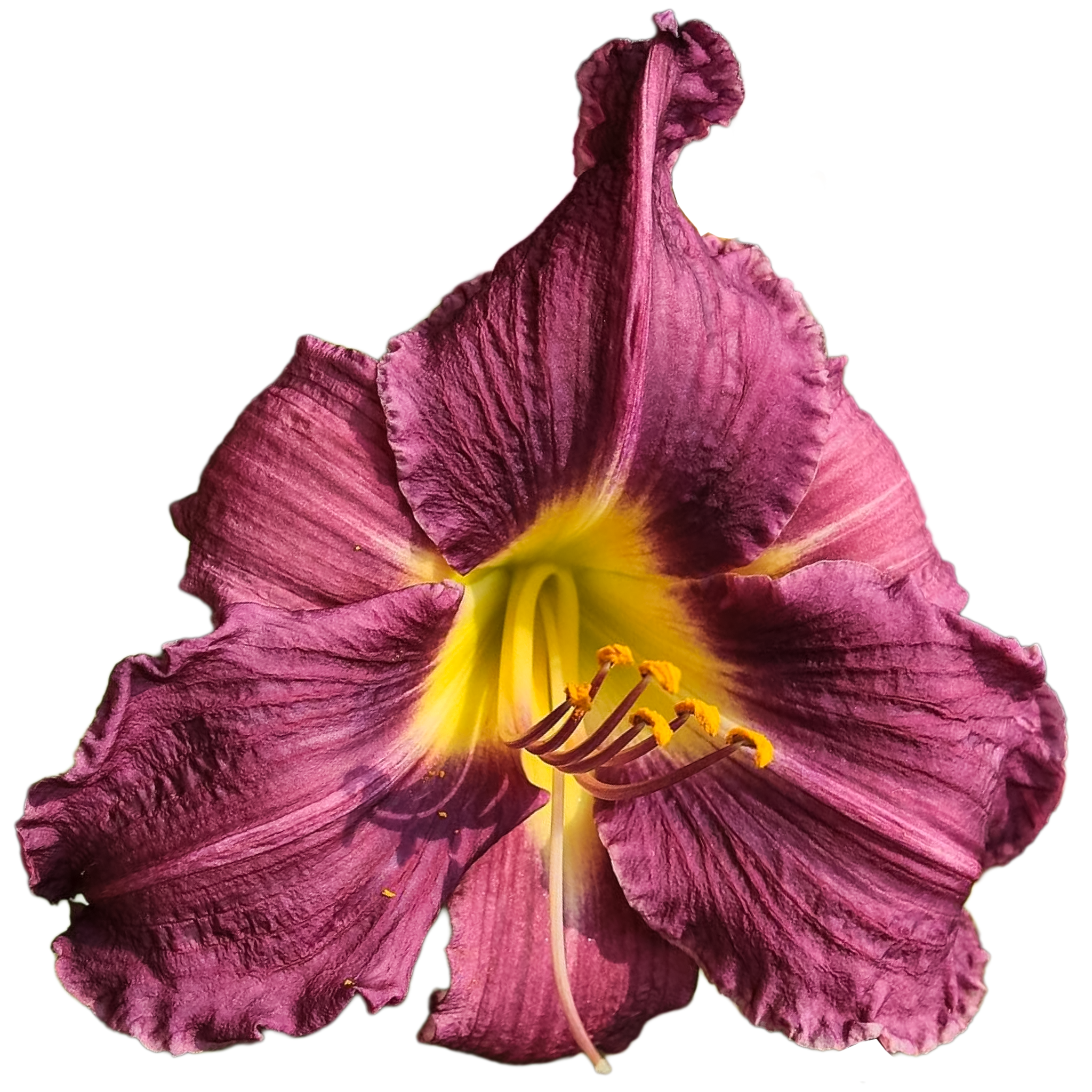
Hamlet is a daylily with purple with dark blue purple halo and green throat, making it a useful choice for gardeners comparing color, season, and garden effect. We list it with 18 in scapes, 4 in blooms, early-to-midseason, diploid, dormant so gardeners can compare it quickly with other varieties in the field. Notable traits include fragrant bloom, rebloom potential. Compare it with nearby field selections or related cultivars if you are building a color-focused or season-spanning collection.
Official AHS Description
purple with dark blue purple halo and green throat
Plant Details
Primary Color: Purple
Hybridizer: Talbott
Year: 1983
Scape Height: 18 in
Bloom Size: 4 in
Bloom Season: Early-Midseason
Ploidy: Diploid
Foliage Type: Dormant
Fragrance: Fragrant
Bloom Habit: Extended
Rebloom: Yes
Parentage: ((Prairie Blue Eyes x Moment of Truth) x Betty Barnes)
Field Group: Y
Flag Color: ORANGE
Availability & Field Location
Price: $10
Inventory: 6
Availability: Available
Field Group: Y
Flag Color: ORANGE
Hillside Notes
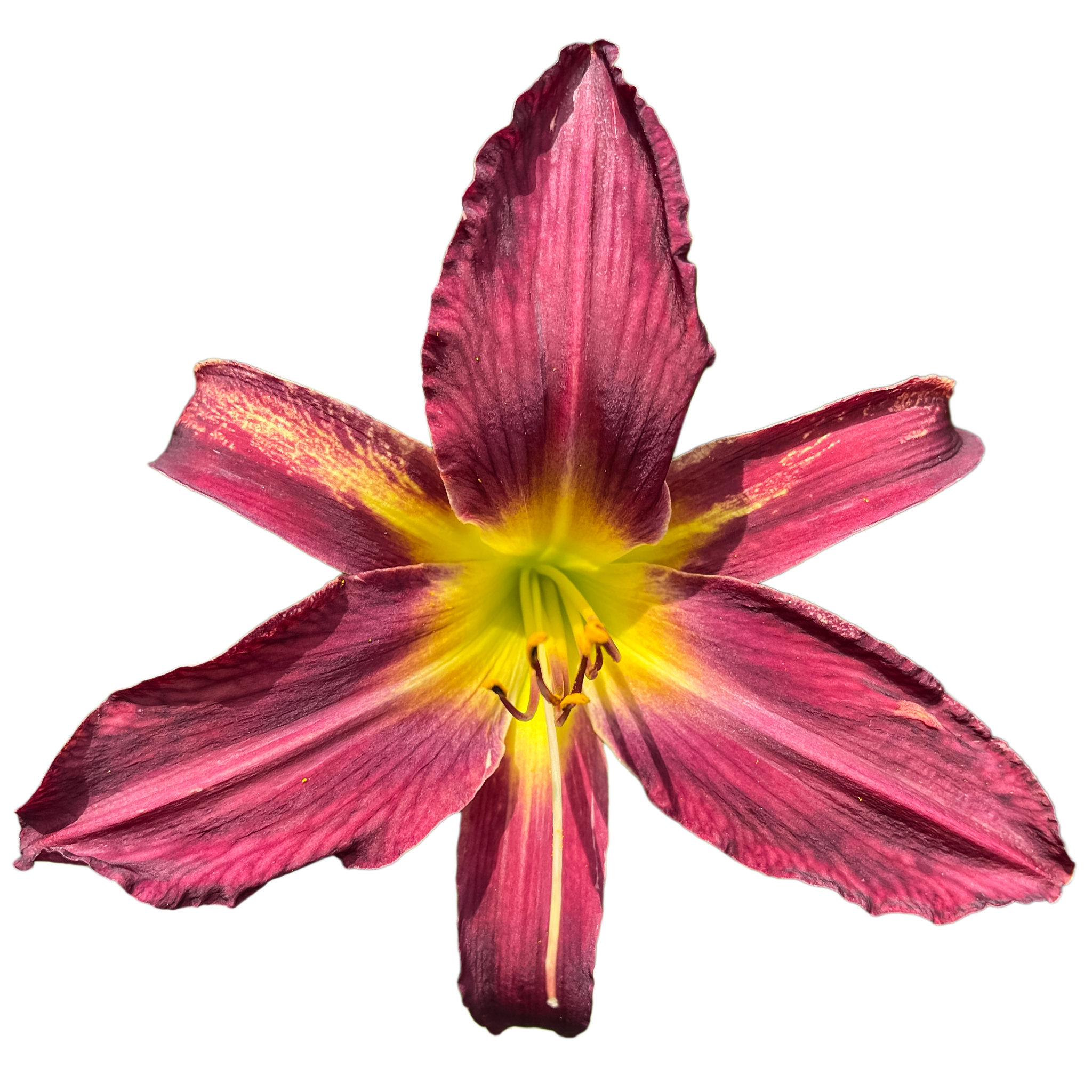
Frankie's Fantasy is a spider-form daylily with dark purple self with green throat, giving it strong presence in a mixed daylily planting. We list it with 32 in scapes, 7 in blooms, early-to-midseason, tetraploid, dormant so gardeners can compare it quickly with other varieties in the field. Notable traits include rebloom potential. This page is intended to make in-garden shopping easier by pairing the official details with our current price and availability.
Official AHS Description
dark purple self with green throat
Plant Details
Primary Color: Purple
Hybridizer: Mercer-R.
Year: 1992
Scape Height: 32 in
Bloom Size: 7 in
Bloom Season: Early-Midseason
Form: Spider 4.50:1
Ploidy: Tetraploid
Foliage Type: Dormant
Fragrance: Non-Fragrant
Bloom Habit: Diurnal
Rebloom: Yes
Parentage: ((Chicago Blackout x sdlg) x Russian Rhapsody)
Field Group: Y
Flag Color: ORANGE
Availability & Field Location
Price: $27
Inventory: 5
Availability: Available
Field Group: Y
Flag Color: ORANGE

Hillside Notes
Captain Blue is a daylily with blue lavender with blue eye and edge above green throat, making it a useful choice for gardeners comparing color, season, and garden effect. We list it with 22 in scapes, 6 in blooms, early-to-midseason, tetraploid, evergreen so gardeners can compare it quickly with other varieties in the field. Notable traits include rebloom potential, 15 buds and 1 branches. Compare it with nearby field selections or related cultivars if you are building a color-focused or season-spanning collection.
Official AHS Description
blue lavender with blue eye and edge above green throat
Plant Details
Primary Color: Purple
Hybridizer: Trimmer
Year: 2005
Scape Height: 22 in
Bloom Size: 6 in
Bloom Season: Early-Midseason
Ploidy: Tetraploid
Foliage Type: Evergreen
Fragrance: Non-Fragrant
Bloom Habit: Diurnal
Rebloom: Yes
Bud Count: 15
Branches: 1
Parentage: (Dress Blues x (sdlg x Tet. Lavender Blue Baby))
Field Group: Y
Flag Color: ORANGE
Availability & Field Location
Price: $25
Inventory: 21
Availability: Available
Field Group: Y
Flag Color: ORANGE
Hillside Notes
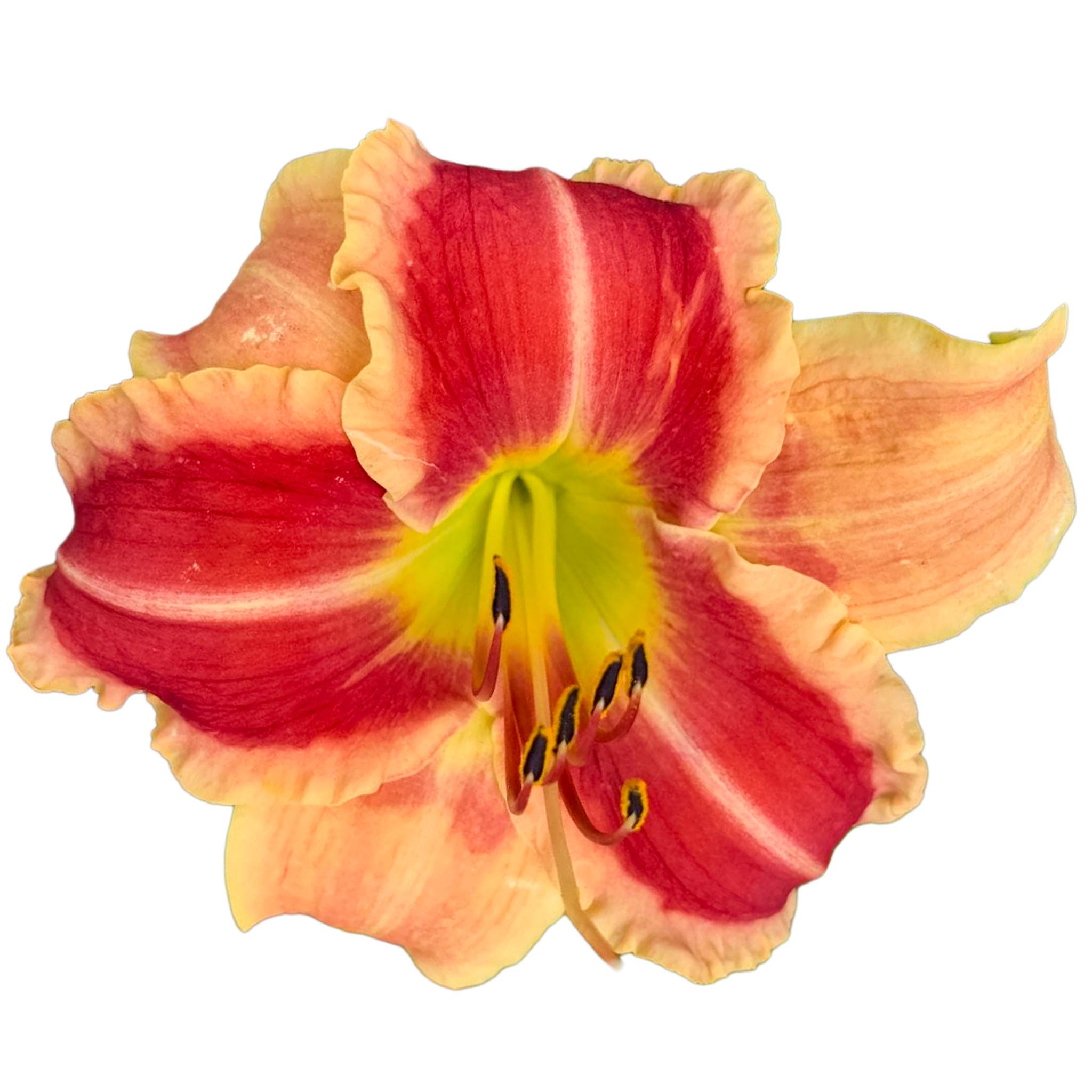
Chili Spice is a unusual-form daylily with red cream bitone with cream midrib and edge above yellow, giving it strong presence in a mixed daylily planting. We list it with 22 in scapes, 6 in blooms, early season, tetraploid, semi-evergreen so gardeners can compare it quickly with other varieties in the field. Notable traits include rebloom potential. It is a good candidate for shoppers who want a named cultivar with clear details and current Hillside Lilies availability.
Official AHS Description
red cream bitone with cream midrib and edge above yellow green throat
Plant Details
Primary Color: Red
Hybridizer: Hansen-D.
Year: 2003
Scape Height: 22 in
Bloom Size: 6 in
Bloom Season: Extra Early
Form: Unusual Form Crispate
Ploidy: Tetraploid
Foliage Type: Semi-Evergreen
Fragrance: Non-Fragrant
Bloom Habit: Diurnal
Rebloom: Yes
Parentage: (Betty Winkler x Red Rampage)
Field Group: X
Flag Color: YELLOW
Availability & Field Location
Price: $18
Inventory: 12
Availability: Available
Field Group: X
Flag Color: YELLOW
Hillside Notes
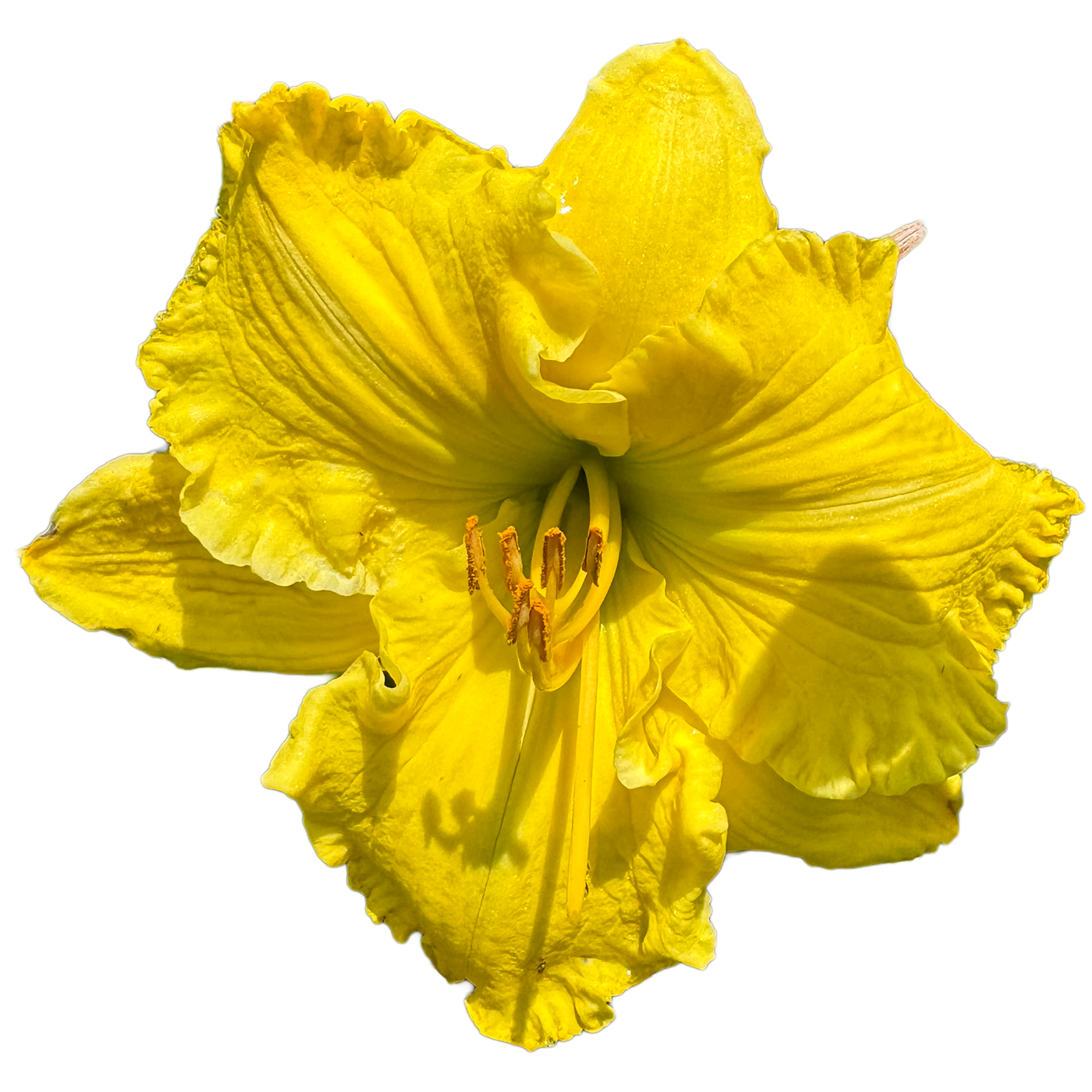
Stone Beacon is a daylily with chrome yellow self above green throat, making it a useful choice for gardeners comparing color, season, and garden effect. We list it with 26 in scapes, 6 in blooms, early season, tetraploid, evergreen so gardeners can compare it quickly with other varieties in the field. Notable traits include rebloom potential, 35 buds and 6 branches. For best results, review the bloom size, season, and field location alongside the photo before adding it to your list.
Official AHS Description
chrome yellow self above green throat
Plant Details
Primary Color: Yellow
Hybridizer: Stamile
Year: 2000
Scape Height: 26 in
Bloom Size: 6 in
Bloom Season: Early
Ploidy: Tetraploid
Foliage Type: Evergreen
Fragrance: Non-Fragrant
Bloom Habit: Diurnal
Rebloom: Yes
Bud Count: 35
Branches: 6
Parentage: ((Earth Angel x (Betty Warren Woods x Floyd Cove)) x Bill Norris)
Field Group: X
Flag Color: YELLOW
Availability & Field Location
Price: $15
Inventory: 8
Availability: Available
Field Group: X
Flag Color: YELLOW
Hillside Notes
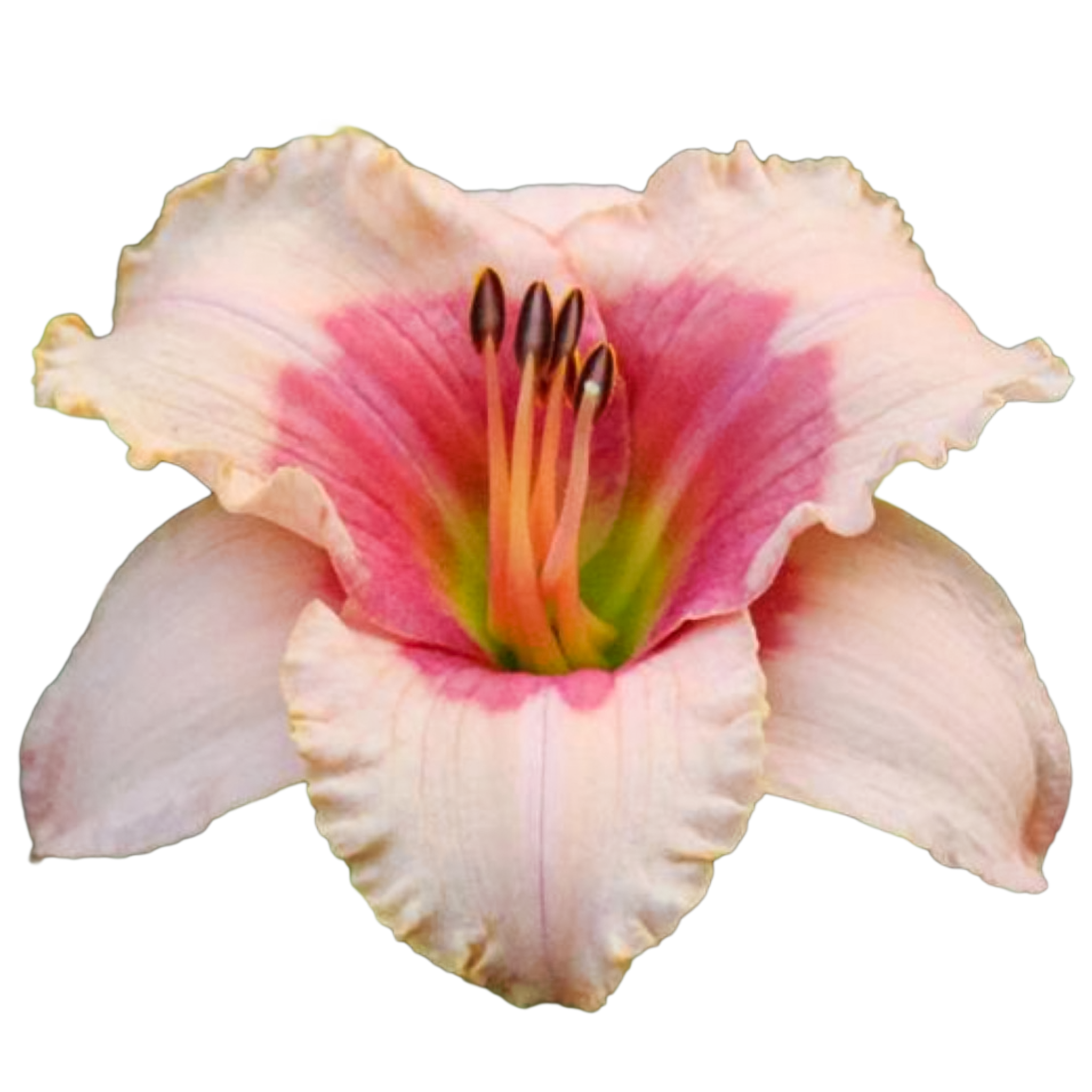
Exotic Candy is a daylily with light pink with dark red rose eyezone and green throat, making it a useful choice for gardeners comparing color, season, and garden effect. We list it with 26 in scapes, 4.25 in blooms, midseason, tetraploid, dormant so gardeners can compare it quickly with other varieties in the field. Notable traits include very fragrant bloom, rebloom potential. Compare it with nearby field selections or related cultivars if you are building a color-focused or season-spanning collection.
Official AHS Description
light pink with dark red rose eyezone and green throat
Plant Details
Primary Color: Pink
Hybridizer: Stamile
Year: 1995
Scape Height: 26 in
Bloom Size: 4.25 in
Bloom Season: Midseason
Ploidy: Tetraploid
Foliage Type: Dormant
Fragrance: Very Fragrant
Bloom Habit: Diurnal
Rebloom: Yes
Parentage: (Wineberry Candy x Tet. Janice Brown)
Field Group: X
Flag Color: YELLOW
Availability & Field Location
Price: $18
Inventory: 10
Availability: Available
Field Group: X
Flag Color: YELLOW
Hillside Notes
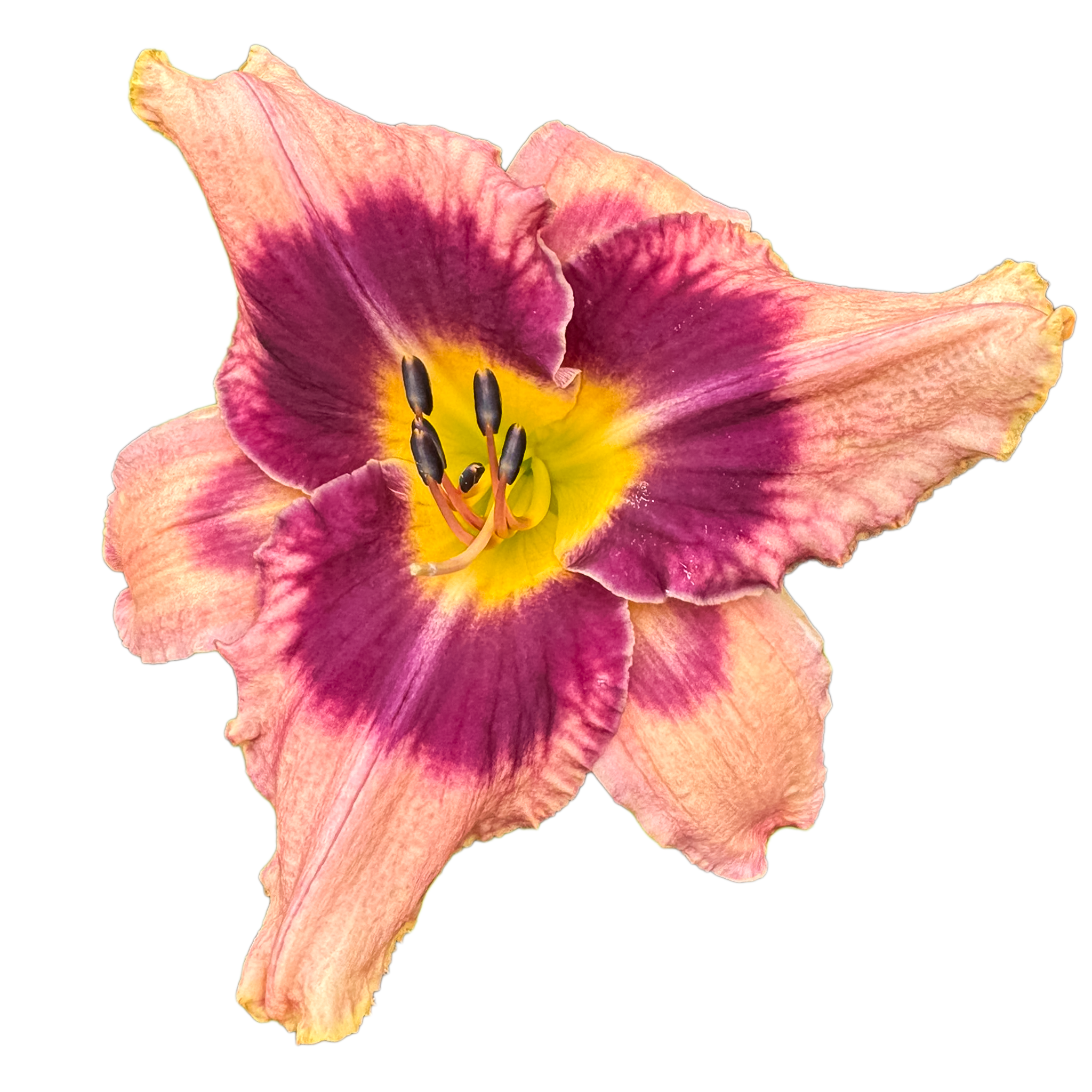
Emperor's Dragon is a daylily with silvery mauve with raisin plum eyezone and chartreuse yellow throat, making it a useful choice for gardeners comparing color, season, and garden effect. We list it with 26 in scapes, 5 in blooms, midseason, tetraploid, evergreen so gardeners can compare it quickly with other varieties in the field. Notable traits include rebloom potential. This page is intended to make in-garden shopping easier by pairing the official details with our current price and availability.
Official AHS Description
silvery mauve with raisin plum eyezone and chartreuse yellow throat
Plant Details
Primary Color: Pink
Hybridizer: Munson-R.W.
Year: 1988
Scape Height: 26 in
Bloom Size: 5 in
Bloom Season: Midseason
Ploidy: Tetraploid
Foliage Type: Evergreen
Fragrance: Non-Fragrant
Bloom Habit: Extended
Rebloom: Yes
Seedling Number: BCARCKWB-11
Parentage: ((Chicago Knobby x Water Bird) x (Benchmark x Caliphs Robes))
Field Group: X
Flag Color: YELLOW
Availability & Field Location
Price: $18
Inventory: 3
Availability: Available
Field Group: X
Flag Color: YELLOW

Hillside Notes
Ashwood Hearthside is a daylily with deep red with yellow edge above green throat, making it a useful choice for gardeners comparing color, season, and garden effect. We list it with 22 in scapes, 5.75 in blooms, midseason, tetraploid, dormant so gardeners can compare it quickly with other varieties in the field. Notable traits include rebloom potential, 20 buds and 3 branches. It is a good candidate for shoppers who want a named cultivar with clear details and current Hillside Lilies availability.
Official AHS Description
deep red with yellow edge above green throat
Plant Details
Primary Color: Red
Hybridizer: Norris-R.
Year: 2002
Scape Height: 22 in
Bloom Size: 5.75 in
Bloom Season: Midseason
Ploidy: Tetraploid
Foliage Type: Dormant
Fragrance: Non-Fragrant
Bloom Habit: Diurnal
Rebloom: Yes
Bud Count: 20
Branches: 3
Parentage: (Tupac Amaru x Smuggler's Fire)
Field Group: X
Flag Color: YELLOW
Availability & Field Location
Price: $15
Inventory: 4
Availability: Available
Field Group: X
Flag Color: YELLOW
Hillside Notes
Becky Lynn is a daylily with rose blend with green throat, making it a useful choice for gardeners comparing color, season, and garden effect. We list it with 20 in scapes, 6.75 in blooms, early season, diploid, semi-evergreen so gardeners can compare it quickly with other varieties in the field. Notable traits include very fragrant bloom, rebloom potential. Compare it with nearby field selections or related cultivars if you are building a color-focused or season-spanning collection.
Official AHS Description
rose blend with green throat
Plant Details
Primary Color: Pink
Hybridizer: Guidry
Year: 1977
Scape Height: 20 in
Bloom Size: 6.75 in
Bloom Season: Extra Early
Ploidy: Diploid
Foliage Type: Semi-Evergreen
Fragrance: Very Fragrant
Bloom Habit: Diurnal
Rebloom: Yes
Field Group: DD
Flag Color: BLUE-B
Availability & Field Location
Price: $15
Inventory: 9
Availability: Available
Field Group: DD
Flag Color: BLUE-B